


You can start Pilates at home with no equipment by following a structured 5-day plan that progresses from basic mat exercises like the hundred, single-leg circles, and bridges to more challenging moves as your core strength builds. Most beginners see noticeable improvements in posture and core stability within two to three weeks of consistent practice. A yoga mat and 20 to 30 minutes per session is all you need to begin.
Key Takeaways
- Pilates activates all four deep core layers simultaneously, unlike crunches that only work the surface.
- Joseph Pilates said: 10 sessions to feel a difference, 20 to see it, 30 for a whole new body.
- Improved posture is usually the first visible change, appearing within the first 2 to 3 weeks.
- Start with 3 sessions per week; advance to daily practice after 4 to 6 weeks.
- A mat practice requires no equipment and is fully effective for the first several months.
Advertisement
Pilates is having a moment. Walk into any gym or open any fitness app and you will find Pilates routines recommended for everyone from beginners to elite athletes. But Pilates is not just a trend - it is a 100-year-old movement system with an exceptionally strong evidence base behind it, and for women specifically, it offers benefits that few other exercise modalities can match: deep core strength, improved posture, pain relief, and the lean, toned muscle quality that sustained cardiovascular exercise alone cannot deliver.
The best part? The most effective beginner Pilates practice requires no equipment - no reformer, no ring, no expensive studio membership. A mat, enough floor space to lie down, and thirty minutes is sufficient to build a practice that will fundamentally change how your body feels and moves.
What Is Pilates and How Is It Different From Regular Exercise?
Developed by Joseph Pilates in the 1920s, Pilates is a system of controlled movements designed to build strength, flexibility, and body awareness through precise, intentional exercise. Several principles distinguish it from typical gym workouts:
- Control over momentum - every movement is performed with deliberate muscular control, not swung or momentum-assisted
- Core-centred movement - all movement originates from the "powerhouse" - the deep core muscles including the transverse abdominus, pelvic floor, multifidus, and diaphragm
- Breath integration - breathing is coordinated precisely with movement to maximise efficiency and stability
- Precision and quality - five perfect repetitions produce better results than twenty sloppy ones
- Full body integration - unlike isolation exercises (bicep curls, leg extensions), Pilates trains movement patterns that require multiple muscle groups to coordinate simultaneously
The Evidence Behind Pilates
Pilates has an increasingly robust research base. Clinical studies have found that Pilates:
- Reduces chronic lower back pain more effectively than usual care or general exercise (multiple systematic reviews)
- Improves core muscle strength and endurance significantly after 8-12 weeks of regular practice
- Improves posture in desk workers and reduces associated neck and shoulder pain
- Reduces urinary incontinence through pelvic floor strengthening
- Improves balance and reduces fall risk in older adults
- Shows comparable fat loss outcomes to other exercise forms when combined with dietary awareness
Also Read
Advertisement
The 5-Day Beginner Home Pilates Plan
This plan is designed for someone new to Pilates. Perform each day's workout 3-4 times over the week initially, then progress through the plan linearly. Rest one or two days per week.
Day 1: Core Foundation
Focus: Learning the neutral spine position and activating deep core muscles
- Pelvic tilts - 10 reps. Lie on your back, feet flat, arms by your sides. Rock your pelvis to flatten the lower back against the mat (posterior tilt), then return to neutral spine. This teaches pelvic control.
- Supine breathing - 10 breath cycles. Inhale through the nose for 4 counts, directing breath into the ribs (not the belly). Exhale through the mouth for 6 counts, drawing the navel gently toward the spine. This activates the transverse abdominus.
- Dead bug - 8 reps per side. Lie on your back, arms pointing to ceiling, knees bent at 90 degrees. Extend one arm overhead and the opposite leg simultaneously while keeping the lower back pressed to the mat. Return and repeat on the other side.
- Glute bridges - 12 reps, 2 second hold at the top. Feet flat on mat, drive hips up one vertebra at a time. Lower slowly.
Day 2: Spine Mobility
Focus: Spinal articulation and flexibility
- Cat-cow with breath - 8 reps. Inhale into cow (back curved down), exhale into cat (back rounded up). Move one vertebra at a time.
- Thread the needle - 8 reps per side. From all-fours, slide one arm under your body, rotating the thoracic spine. Feel the rotation through your upper back.
- Spine stretch forward - 8 reps. Sit tall with legs extended. Exhale and reach forward over the legs, rounding the spine segment by segment.
- Rolling like a ball - 8 reps. Sit with knees hugged to chest, balance on sit bones. Roll back to mid-back and return to sitting using momentum. (Not suitable if you have osteoporosis.)
Day 3: Lower Body Focus
Focus: Hip strength and stability
- Side-lying leg circles - 10 circles each direction per leg. Lie on your side, stack hips, make controlled circles with the top leg. Feel the hip joint working.
- Clamshells - 15 per side. Lie on your side with hips bent at 45 degrees, knees together. Open the top knee like a clamshell without rotating the pelvis.
- Single-leg stretch - 8 per side. Lie on back, lift head and shoulders, extend one leg long while hugging the other knee. Switch with a quick but controlled movement.
- Pilates swimming prep - Lie face down, extend arms overhead. Alternate lifting right arm and left leg, then left arm and right leg. Focus on lengthening rather than lifting high.
Day 4: Upper Body and Posture
Focus: Shoulder stability, back strength, and opening the chest
- Swan prep - 8 reps. Lie face down, hands under shoulders. Exhale and lift the upper body using the back muscles (not pushing with the arms). Hold for 2 breaths.
- Seated rowing with a resistance band (or just reaching) - 12 reps. Sit tall, reach arms forward, draw elbows back squeezing shoulder blades together.
- Arm circles in plank - 5 per arm. From plank position, circle one arm in the air maintaining pelvis stability.
- Child's pose with lat stretch - 30 seconds per side. Walk hands to one side to stretch the lats (sides of the back).
Day 5: Full Body Integration
Focus: Combining all elements learned in the week
Perform the following circuit twice through with minimal rest:
- Glute bridge with single-leg extension - 8 per side
- Dead bug - 8 per side
- Clamshells - 12 per side
- Swan prep - 8 reps
- Side-lying leg lifts - 15 per side
- Cat-cow - 10 breaths
Pilates and Skin Health
The increased circulation from Pilates - particularly the focused breathing that oxygenates the blood - has a measurable effect on skin appearance. Many practitioners report noticeably clearer, more radiant skin within weeks of starting a consistent practice. The stress-reduction mechanisms of Pilates (lowered cortisol through mind-body movement) also benefit the skin, since cortisol is a major driver of inflammation, sebum production, and collagen breakdown. For a deeper look at how movement affects skin, see our guide on yoga poses for glowing skin.
Key Takeaway
Pilates is one of the most complete beginner-friendly fitness systems available. This five-day home plan builds core strength, spine mobility, hip stability, and upper body posture simultaneously - without any equipment. The key is precision over speed, breath over momentum, and consistency over intensity. Three months of this plan will transform how your body feels, moves, and looks.
Top Picks For You
Handpicked & Editor Approved

Boldfit Yoga Mat 6mm TPE

Boldfit Resistance Bands Set
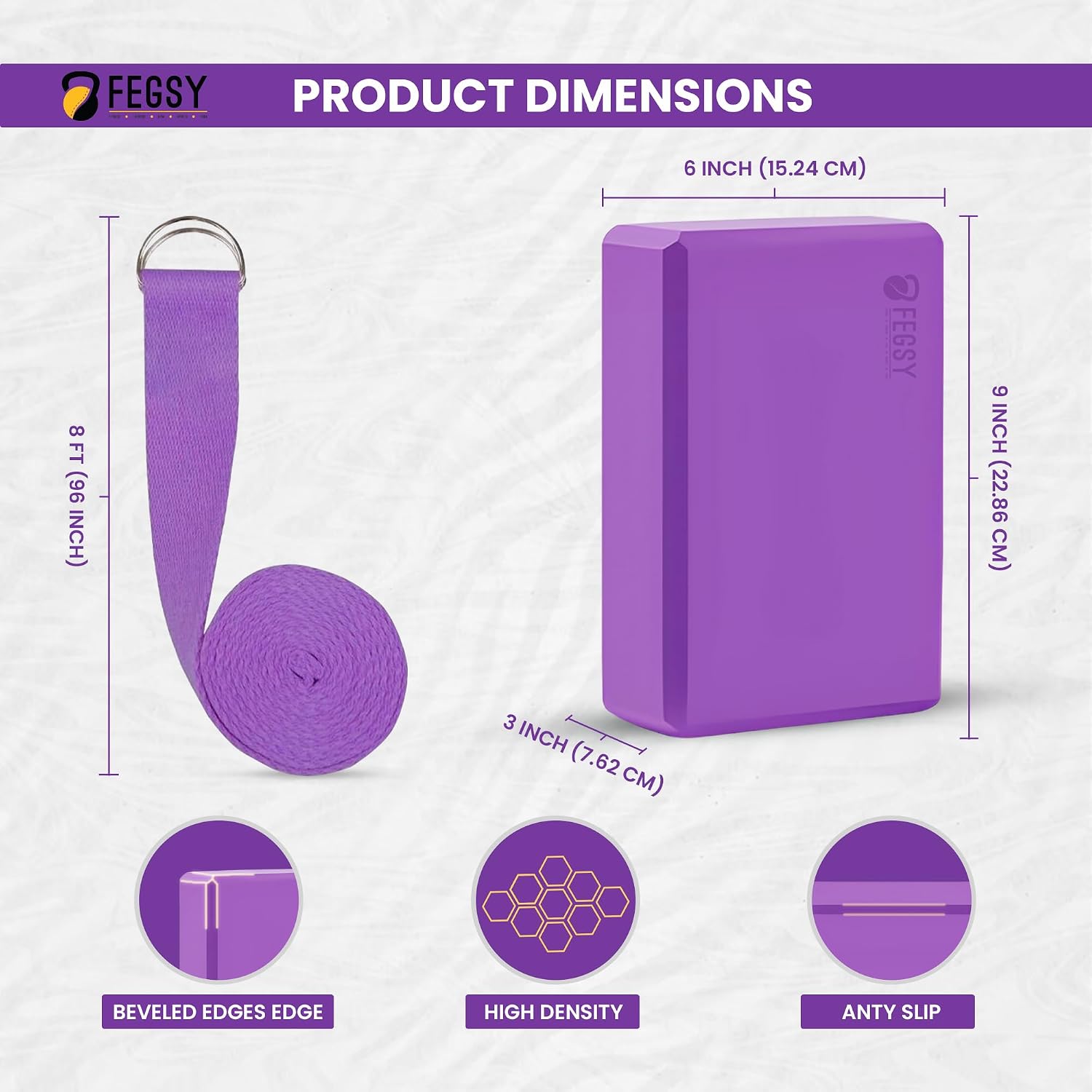
Aurion Yoga Block Foam
Affiliate Disclosure: Links above are affiliate links. We earn a small commission if you purchase at no extra cost to you. We only recommend products we genuinely believe in.
Advertisement
Frequently Asked Questions
Can I do Pilates at home without any equipment?
What makes Pilates different from a regular gym workout?
Is Pilates good for lower back pain?
How many days a week should a beginner do this Pilates plan?
Can Pilates help improve my skin?
How long until I see real changes from Pilates?
Previous
10 Face Yoga Exercises That Give You Younger-Looking Skin Naturally
Next
The 20-Minute HIIT Workout for Women: Burn Fat Faster With Less Time
Written by
Manali Patel
Manali Patel is the founder and lead beauty editor at Beauty & Blushed. With over 7 years of experience in the beauty and wellness industry, she is a certified skincare consultant and trained yoga practitioner who specialises in skin health, haircare, and holistic women's wellness. Her work has helped thousands of Indian women build practical, sustainable self-care routines that actually fit their lives.
More about Manali →Advertisement
Related Articles

Walking Pad Workouts: The Low-Impact Routine That Fits Any Schedule
Walking pads have transformed sedentary home and office setups into active ones. Here is how to actually use o…

Jump Rope Workout: Why 10 Minutes Burns More Fat Than a 45-Minute Jog
Jump rope burns up to 1,000 calories per hour, improves bone density, and delivers HIIT-level cardiovascular g…

The 20-Minute HIIT Workout for Women: Burn Fat Faster With Less Time
HIIT produces 28.5% more fat loss than moderate cardio and keeps burning calories for 24 hours after. This beg…
