


Postpartum hair loss is not true hair loss but a temporary shedding of hair retained during pregnancy due to elevated oestrogen. It typically starts two to four months after delivery and resolves on its own within six to twelve months without treatment. Focus on protein and iron intake during recovery, avoid tight hairstyles that stress fragile follicles, and resist the urge to buy expensive regrowth treatments during this normal phase.
Key Takeaways
- Postpartum hair loss peaks at months 3 to 5 and is caused by estrogen withdrawal after birth.
- Losing 300 to 500 hairs daily during peak shedding is within the normal postpartum range.
- Check ferritin (stored iron) not just haemoglobin, as low ferritin is a common hair loss driver.
- Daily scalp massage for 4 minutes has clinical evidence for increasing hair thickness.
- If shedding persists beyond 12 months, thyroid testing is appropriate.
Advertisement
At three to four months postpartum, many new mothers experience a distressing shower drain full of hair. It seems sudden - and after nine months of the thick, lustrous pregnancy hair, it can feel alarming. But postpartum hair loss (telogen effluvium) is one of the most predictable and temporary physiological events in a woman's life. Understanding exactly why it happens, when it will stop, and what genuinely helps recovery makes the experience significantly less frightening.
Why Postpartum Hair Loss Happens
During pregnancy, elevated oestrogen levels extend the growth phase (anagen) of the hair cycle and reduce the number of hairs entering the resting and shedding phase (telogen). The result is the thick, dense hair many pregnant women enjoy - not more hair is growing, but far less is shedding than normal.
After delivery, oestrogen drops rapidly. This triggers a mass synchronisation of the hair follicles: large numbers that were "held" in the growth phase by elevated oestrogen simultaneously enter telogen and begin shedding approximately three months later (telogen lasts about 100 days before the hair falls). This is called telogen effluvium - a delayed but massive shed that can temporarily cause up to 50% visible hair thinning in some women.
The key fact: every hair shed during postpartum telogen effluvium was going to shed eventually. The pregnancy simply delayed a normal process, and the postpartum period accelerates it to make up the difference. The follicles are not damaged; they are cycling normally.
Also Read
Advertisement
Timeline of Recovery
- 1-3 months postpartum: Hair still looks full; oestrogen is dropping and follicles are entering telogen but hair has not shed yet
- 3-6 months postpartum: Peak shedding period; this is when the shower drain fills and hairbands collect significant amounts of hair
- 6-12 months postpartum: Shedding gradually reduces; new growth begins emerging (often visible as short, fluffy "baby hairs" at the hairline)
- 12-18 months postpartum: Most women return to pre-pregnancy hair density; for some, full recovery takes up to 24 months
What Actually Helps Recovery
Nutrition - The Most Impactful Intervention
Hair follicles are among the most metabolically active cells in the body and highly sensitive to nutritional deficiency. Postpartum women are frequently nutrient-depleted from the demands of pregnancy and breastfeeding - and deficiencies in iron, zinc, vitamin D, and biotin all prolong and worsen telogen effluvium.
- Iron: Iron deficiency (the most common nutritional deficiency in Indian women) directly prolongs hair shedding. Have ferritin levels tested - a serum ferritin above 70ng/mL is considered optimal for hair growth, though "normal" laboratory range goes as low as 12. Supplement if needed, with vitamin C to improve absorption.
- Zinc: Essential for follicle cell replication. Deficiency is common postpartum. Sources: legumes, pumpkin seeds, sesame.
- Protein: Hair is 95% keratin protein. Adequate daily protein (0.8g/kg body weight minimum) is non-negotiable for hair recovery.
- Vitamin D: Receptors on hair follicle cells suggest vitamin D is involved in the hair cycle; deficiency is associated with prolonged telogen effluvium.
The connection between gut health and nutrient absorption - and therefore hair health - is covered in our gut-skin guide, which includes dietary approaches that support both.
Scalp Care
Regular scalp massage improves circulation to follicles and has shown measurable effects on hair thickness in clinical studies. Incorporate a 5-minute scalp massage into your wash routine - use fingertips in circular motions, applying gentle pressure across the entire scalp. Pre-wash oiling (see our hair oiling guide) nourishes the scalp environment and reduces mechanical damage during the vulnerable shedding period.
Protective Styling
Shedding hair is more susceptible to mechanical breakage. Avoid tight hairstyles that create traction, reduce heat styling frequency, sleep on a silk or satin pillowcase to reduce friction, and use a wide-tooth comb on damp hair rather than a brush. These protective measures do not stop the biological shedding but prevent additional breakage from overlapping with it.
When to See a Doctor
Most postpartum hair loss resolves without medical intervention. However, consult your doctor if: shedding continues past 12 months, hair loss is patchy (as opposed to diffuse thinning), or there are other symptoms of thyroid dysfunction (fatigue, weight changes, temperature sensitivity) - postpartum thyroiditis affects 5-10% of women and can cause or prolong hair loss independent of telogen effluvium.
Key Takeaway
Postpartum hair loss is biologically normal, temporary, and self-limiting. It will stop. Focus on nutrition - particularly iron, zinc, protein, and vitamin D - as the intervention with the strongest evidence for accelerating recovery. Protect the hair from additional mechanical damage during the shedding period. By 12 months, the vast majority of women have returned to pre-pregnancy density.
Top Picks For You
Handpicked & Editor Approved
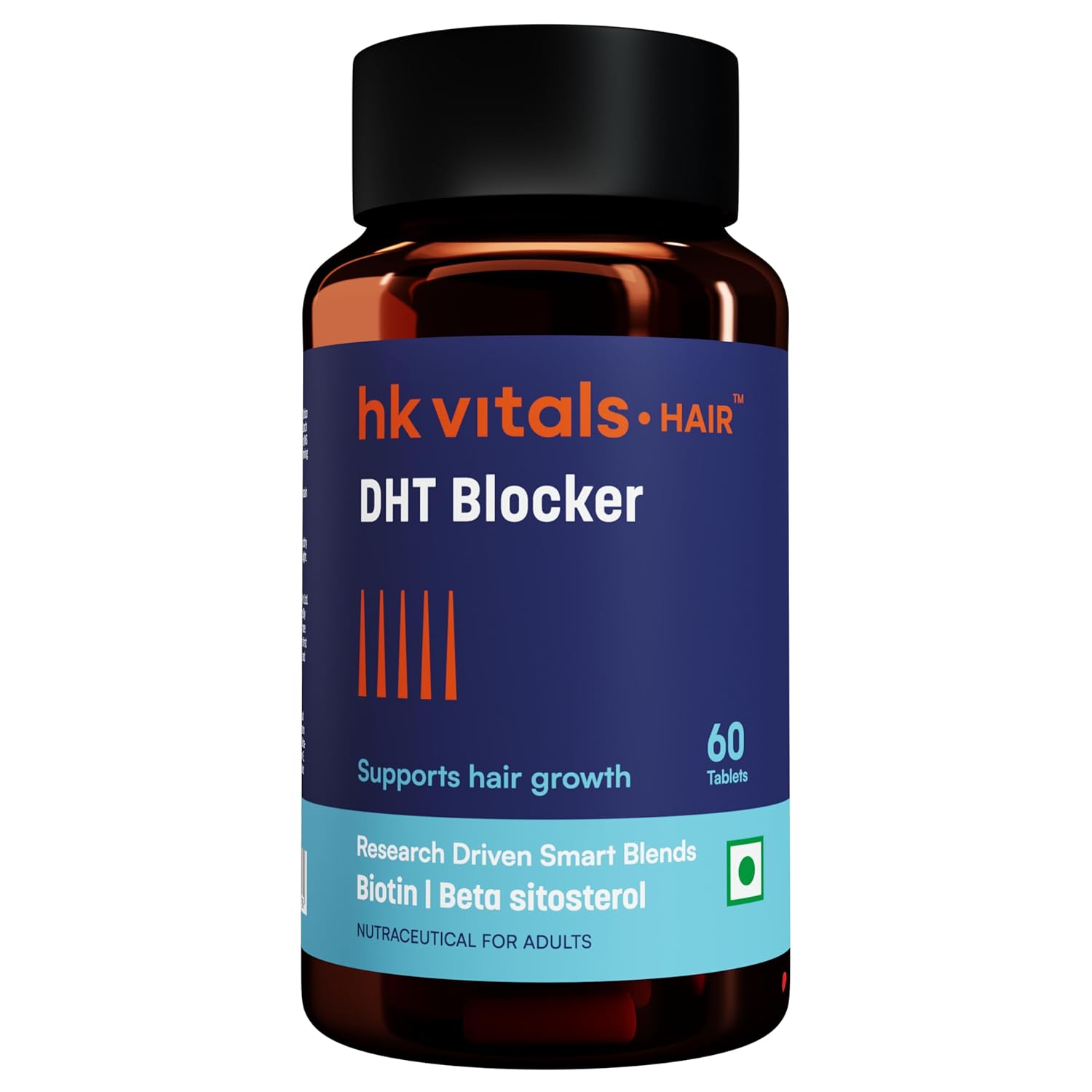
HealthKart Biotin 10000mcg

Indulekha Bringha Hair Oil

WOW Onion Black Seed Hair Oil
Affiliate Disclosure: Links above are affiliate links. We earn a small commission if you purchase at no extra cost to you. We only recommend products we genuinely believe in.
Advertisement
Frequently Asked Questions
Why does hair fall out so much a few months after giving birth?
Is postpartum hair loss permanent?
When will the shedding stop?
What is the most effective way to support hair recovery?
Does scalp massage and oiling help with postpartum hair loss?
When should I see a doctor about postpartum hair loss?
Previous
How to Prevent Stretch Marks During Pregnancy: What Actually Works
Next
Pregnancy Skin Changes: What to Expect From the First Trimester to Birth

Written by
Manali Patel
Manali Patel is the founder and lead beauty editor at Beauty & Blushed. With over 7 years of experience in the beauty and wellness industry, she is a certified skincare consultant and trained yoga practitioner who specialises in skin health, haircare, and holistic women's wellness. Her work has helped thousands of Indian women build practical, sustainable self-care routines that actually fit their lives.
More about Manali →Advertisement
Related Articles

Postpartum Recovery: The Fourth Trimester Guide Every New Mother Needs
Full postpartum recovery takes 6 to 12 months, not 6 weeks. This honest guide covers physical healing, hormona…

Maternity Wear for Indian Summers: What Actually Keeps You Comfortable
Pregnancy raises body temperature and worsens swelling, and Indian summer heat makes it harder. Here is what f…

How to Maintain Energy During Pregnancy When You Are Completely Exhausted
Pregnancy fatigue changes shape by trimester, and iron deficiency is a major hidden driver in Indian women. He…
