


Post-inflammatory hyperpigmentation, the flat dark marks left after a pimple heals, is different from true textured scarring, which involves permanent structural damage to the skin. Dark marks fade over months with consistent sunscreen use and brightening ingredients like vitamin C, niacinamide, and azelaic acid, while true indented or raised scars typically need professional treatments like microneedling, chemical peels, or laser resurfacing to meaningfully improve.
Key Takeaways
- Dark marks (hyperpigmentation) and true textured scars are different problems needing different treatments
- Hyperpigmentation fades over months with consistent sunscreen and brightening ingredients like vitamin C and niacinamide
- True indented or raised scars need professional treatments like microneedling or lasers to meaningfully improve
- Not picking or popping active acne is the single most effective way to prevent scarring in the first place
Advertisement
A dark mark left behind by a pimple and an actual scar are not the same thing, and mixing up the two is the reason so many of us waste months (and money) on products that were never going to work in the first place. Most Indian women looking in the mirror and calling everything a "scar" are actually staring at post-inflammatory hyperpigmentation, a flat brown or reddish patch that forms after a breakout heals. It looks alarming, it can stick around for what feels like forever, but it is genuinely temporary. True textured scarring, the kind that leaves a dent or a raised bump you can feel with your fingertip, is a different animal entirely, and it does not respond to the same fixes.
This mix-up matters because it changes what you should actually be doing. If you have a flat dark patch and you spend a year applying an expensive "scar removal" cream that promises to smooth texture, you are treating a problem you don't have while ignoring the one you do (sun protection and brightening actives). And if you have a genuinely pitted scar and you expect a serum to fill it in, you will be disappointed no matter how consistent you are, because topical products simply cannot rebuild collagen the way an in-clinic procedure can.
Indian skin has its own quirks in this story too. Higher baseline melanin means our skin reacts to inflammation by producing pigment more readily than fairer skin does, which is why marks from even a small, short-lived pimple can look disproportionately dark and take disproportionately long to fade. Add in the very common habit of picking and popping active acne, and you have a recipe for marks that are both darker and more numerous than they need to be. Let's get into what genuinely works, what's just clever marketing, and how to tell the two situations apart with confidence.
Dark Mark or Real Scar? Know What You're Dealing With First
Before you buy a single product, take a minute with a good mirror and decent light. Run your finger over the mark. Is the skin flat, just a different colour than the surrounding area? Or is there a dip, a crater, or a raised edge you can feel? That one physical check tells you almost everything you need to know about your treatment path.
What Post-Inflammatory Hyperpigmentation Actually Is
Hyperpigmentation is your skin's overreaction to inflammation. When a pimple, a cut, a bug bite, or even aggressive exfoliation irritates the skin, melanin-producing cells go into overdrive in that spot, depositing extra pigment as part of the healing response. The result is a flat brown, purplish, or reddish patch sitting exactly where the breakout used to be. It is not damage to the structure of your skin; it is a pigment issue sitting in the upper layers, and left alone it will fade on its own over several months as skin cells turn over and excess pigment gets cleared away. This is genuinely one of the most common concerns we see, and it overlaps heavily with the broader topic of pigmentation on Indian skin, which has its own set of triggers beyond just acne.
What a Textured Scar Actually Is
A true scar happens when acne damages the deeper structural layer of the skin, specifically the collagen that gives skin its firmness and bounce. When that collagen is destroyed faster than the body can repair it, you get an indentation (an atrophic or "pitted" scar). When the body overcorrects and produces too much collagen during healing, you get a raised, thickened scar (hypertrophic or keloid-type, though these are less common from acne specifically). Either way, this is a permanent structural change. It does not fade with time the way a dark mark does, because there is no pigment to clear, there is a physical change in the skin's surface that needs to be rebuilt or resurfaced.
Why Marks Look Worse and Last Longer on Indian Skin
If you have ever felt like your friends with lighter skin get away with breakouts that vanish in weeks while yours linger for what feels like a year, you are not imagining it.
Melanin and the Inflammation Response
Skin with more baseline melanin, which describes most Indian skin tones, tends to produce a stronger pigmentary response to any kind of inflammation or trauma. That is simply how melanocytes in deeper skin tones behave. A pimple that a fair-skinned person might shrug off without a trace can leave a noticeable dark patch on Indian skin that takes considerably longer to fade. This is a big part of why hyperpigmentation gets confused with permanent scarring here so often; the mark is dark enough and lasts long enough that it starts to feel like it must be structural damage, even when it isn't.
The Picking Habit That Makes Everything Worse
Here's the uncomfortable truth: popping and picking at active pimples is extremely common, almost a reflex for a lot of us, and it is single-handedly one of the biggest reasons dark marks turn into actual scars. Squeezing an inflamed pimple pushes bacteria and debris deeper into the skin, provokes more inflammation, and directly increases the odds of collagen damage. It also nearly guarantees a darker, more stubborn mark afterward because you have essentially manufactured extra trauma on top of what the acne was already doing. If there is one habit worth breaking for your skin's future, it's this one. Understanding the acne itself helps too, and separating fact from fiction around breakouts is covered in more depth in this piece on common acne myths, several of which directly feed into why people pick in the first place.
Also Read
Advertisement
The Ingredients With Real Evidence for Fading Dark Marks
This is the part where marketing tends to drown out what actually has research behind it. A handful of ingredients consistently show up in clinical studies for genuinely helping fade post-inflammatory hyperpigmentation. None of them work overnight, but all of them work.
Vitamin C
Vitamin C is an antioxidant that interferes with the enzyme responsible for excess pigment production, while also helping protect skin from the UV damage that keeps darkening existing marks. A stable, well-formulated vitamin C serum used consistently in the morning under sunscreen is one of the more reliable brightening tools available, though results build gradually over weeks, not days.
Niacinamide
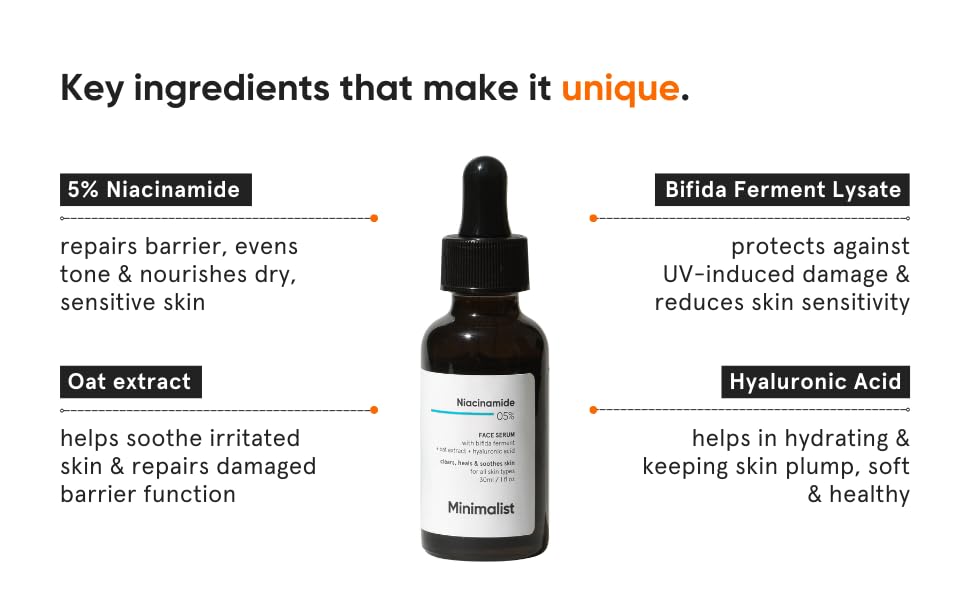
Niacinamide works by blocking the transfer of pigment from melanocytes to the surface skin cells, which slows down how dark a mark gets and helps existing pigment clear faster. It is also gentle enough for daily use on most skin types, including sensitive or acne-prone skin, which makes it an easy addition rather than a risky one.
Azelaic Acid
Azelaic acid quietly does double duty: it calms the inflammation that triggers pigment production in the first place, and it directly inhibits the pigment-making enzyme. It is particularly useful if you are dealing with both active breakouts and marks at the same time, since it addresses both ends of the problem.
Retinoids
Retinoids (retinol and its prescription-strength relatives) speed up skin cell turnover, which means pigmented cells get shed and replaced faster than they would on their own. Retinoids also encourage collagen production over time, which is part of why dermatologists reach for them even in early textured scarring, not just pigmentation. They can be irritating if you rush in with a high strength, so building up slowly matters more than going in aggressively.
Sunscreen Is Not Optional
Here is the part almost nobody wants to hear: none of the above will fade a mark meaningfully faster if you are skipping sunscreen. UV exposure directly stimulates more pigment production in an already-inflamed area, which means an unprotected mark gets topped up with fresh pigment before the old pigment has even had a chance to clear. Daily sunscreen, reapplied if you're out in the sun for long stretches, is genuinely the single most non-negotiable step in fading dark marks faster, and it matters just as much on cloudy days and indoors near windows. If you are not sure what to look for across different skin tones and undertones, this guide to choosing sunscreen for every skin tone is worth a proper read before you buy your next bottle.
The Marketing Traps: What Doesn't Actually Work
India's beauty market is flooded with "scar removal cream" products making claims that would not survive a basic fact-check, and it is worth naming this plainly.
Overnight and "Instant Fade" Promises
No cream, however expensive or however loudly advertised, fades pigmentation overnight or in a few days. Skin pigment clearance is a biological process that takes weeks to months regardless of what you apply, because it depends on cell turnover cycles your skin controls, not something a formula can override. Any product claiming visible results in 3 or 7 days for a genuine dark mark is either exaggerating dramatically or relying on a temporary optical trick like light-reflecting particles rather than actual pigment change.
Unregulated Bleaching Creams
Some of these products do the opposite of fixing the problem, hormonally disrupting or downright dangerous when used long-term or on inflamed skin. Because India's over-the-counter cosmetic market has looser enforcement than markets with stricter drug regulation, it is entirely possible to buy something with untested or banned ingredients marketed simply as a "fairness" or "scar" cream. Sticking to well-known active ingredients (vitamin C, niacinamide, azelaic acid, retinoids) from established brands is a far safer strategy than chasing a miracle jar with no ingredient transparency.
When It's Genuinely a Textured Scar
If your finger check earlier revealed an actual dip or raised patch rather than just discolouration, it's important to reset your expectations honestly rather than keep hoping a serum will eventually fill it in.
What Topicals Can and Cannot Do
Retinoids and some peptide-based products can offer modest improvement in mild textural scarring by encouraging some collagen remodeling over months of consistent use. That's a real, evidence-backed benefit, but it is a modest one. What topical products cannot do is rebuild a deep, established indentation or meaningfully flatten a raised scar. That requires intervention that actually disrupts and rebuilds the skin's structure, which is beyond what any cream, however well-formulated, is capable of delivering on its own.
Being Honest About Expectations
This is the part that unregulated marketing conveniently skips: if you have genuine textured scarring, an at-home routine alone is very unlikely to get you to "smooth skin," and it is more useful to treat topicals as a supportive, maintenance step alongside a professional treatment plan rather than the whole solution.
In-Clinic Treatments That Actually Change Texture
For real structural scars, dermatology-office procedures are where the meaningful change happens, because they work at a depth and intensity that skincare products are not designed to reach.
Chemical Peels
Peels use controlled acid exfoliation to remove damaged outer layers of skin and stimulate fresh cell growth underneath. They can improve mild scarring and are also genuinely effective for stubborn pigmentation, making them a useful option when both concerns are present together.
Microneedling
Microneedling creates tiny, controlled punctures in the skin that trigger the body's wound-healing response, prompting new collagen production in areas of scarring. Done over a series of sessions by a qualified professional, it is one of the more consistently effective options for improving the depth and visibility of pitted acne scars.
Laser Resurfacing
Laser treatments target either the surface or deeper layers of skin, depending on the type used, to remodel scar tissue and encourage new collagen formation. Results generally require multiple sessions and some downtime, but for moderate to severe scarring, lasers tend to deliver more visible change than anything applied at home.
The honest takeaway across all three: these procedures need a qualified dermatologist, they take multiple sessions, and they cost more than a jar of cream, but they are addressing the actual structural problem rather than papering over it.
Building a Routine: Masks, Habits, and Prevention
Once you know which problem you're dealing with, the daily habits around it matter almost as much as the actives you choose.
Where Anti-Acne Masks Fit In
Clay or charcoal-based anti-acne masks used once or twice a week can help control oil and keep pores clearer, which reduces the chance of new breakouts forming in the first place. Think of masks as a supporting habit for prevention and oil control rather than a treatment for existing marks or scars; they are not going to fade pigmentation or fill in texture on their own, but a calmer, less congested complexion means fewer new marks joining the old ones.
The Single Best Prevention Habit
If you take away only one thing from this entire piece, make it this: not picking or popping active acne is the most effective thing you can do to prevent scarring before it starts. Every squeeze, every bit of pressure on an inflamed pimple, increases the risk of pushing that spot from "will fade in a few months" to "will leave a permanent mark." This one behavioural change costs nothing and prevents more scarring than any product on the market. It's also worth understanding that hormonal fluctuations, especially the kind that show up later than expected, can keep triggering fresh breakouts if left unaddressed; this piece on hormonal acne in your 30s is a useful next read if your breakouts feel like they've shifted pattern as you've gotten older.
Comparing the Two at a Glance
| Feature | Hyperpigmentation (Dark Mark) | Textured Scar |
|---|---|---|
| Appearance | Flat, discoloured patch | Indented or raised, visible texture change |
| Underlying cause | Excess pigment from inflammation | Damaged or overproduced collagen |
| Feels different when touched | No, skin surface is smooth | Yes, a dip or bump is felt |
| Fades on its own over time | Yes, typically over months | No, structural change is permanent without intervention |
| Responds to topical actives | Yes, strongly (vitamin C, niacinamide, azelaic acid, retinoids) | Only mildly, with retinoids over long-term use |
| Needs professional treatment | Rarely, unless very stubborn | Usually, for meaningful improvement |
| Worsened by sun exposure | Yes, significantly | Not directly, though sun can cause separate pigment changes at the scar site |
The Bottom Line
Most of what people call an acne "scar" on Indian skin is actually a dark mark that will fade on its own with time, sun protection, and a few well-chosen brightening actives, and it deserves patience rather than panic-buying whatever cream promises the fastest fix. True textured scarring is a different, less common situation that needs an honest assessment and, realistically, professional treatment rather than an at-home fix alone. Skip the overnight miracle promises, skip the unregulated bleaching creams, stop picking at active breakouts, and stay consistent with sunscreen and proven actives. Give it months, not days, and if texture is genuinely the issue, talk to a dermatologist about peels, microneedling, or laser options rather than expecting a jar to do a procedure's job.
Top Picks For You
Handpicked & Editor Approved
Affiliate Disclosure: Links above are affiliate links. We earn a small commission if you purchase at no extra cost to you. We only recommend products we genuinely believe in.
Advertisement
Frequently Asked Questions
What is the difference between acne scars and dark marks?
How long does it take for acne dark marks to fade?
Can a serum actually remove textured acne scars?
Why is sunscreen so important for fading acne marks?
Previous
Morning Habits That Actually Prevent Skin Aging (Beyond Just Products)
Next
Facial Massage and DIY Anti-Aging Masks: What Actually Works at Home

Written by
Manali Patel
Manali Patel is the founder and lead beauty editor at Beauty & Blushed. With over 7 years of experience in the beauty and wellness industry, she is a certified skincare consultant and trained yoga practitioner who specialises in skin health, haircare, and holistic women's wellness. Her work has helped thousands of Indian women build practical, sustainable self-care routines that actually fit their lives.
More about Manali →Advertisement
Related Articles

AI vs Dermatologist: How Accurate Is AI Skincare Advice Really?
AI skin apps are genuinely good at tracking visible progress, but they cannot take a patient history or feel y…

DIY Skincare With Kitchen Ingredients: Aloe Vera, Scrubs and What Actually Works
Fresh aloe genuinely soothes, but a store-bought gel often has little actual aloe in it. Here is what aloe ver…

Ayurvedic Remedies for Acne: What Actually Helps
Neem, turmeric, and multani mitti are genuine supportive remedies for mild acne. Here is an honest, dosha-awar…
