


The most common causes of sudden or excessive hair loss in Indian women are iron deficiency anaemia, thyroid imbalance, post-pregnancy hormonal shifts, and prolonged stress. Before buying any hair loss product, get blood tests for ferritin, TSH, vitamin D, and haemoglobin. Treating the underlying deficiency is always more effective than topical treatments, which only work for androgenetic pattern hair loss.
Key Takeaways
- Losing 50-100 strands per day is normal-more than 150 daily for over 3 months warrants investigation.
- PCOS, thyroid, iron deficiency, and postpartum changes are the most common causes in Indian women.
- Telogen effluvium peaks 3-6 months after a triggering stressful event.
- Check ferritin, not just haemoglobin-ferritin below 40 ng/mL is linked to shedding.
- Rosemary oil applied to the scalp has shown results comparable to 2% minoxidil in one study.
Advertisement
Noticing more hair in your brush, on the shower floor, or in the drain is one of those experiences that triggers immediate anxiety in most women. Hair is deeply tied to identity and self-image, and the sight of more of it coming out than usual feels alarming regardless of the actual clinical picture. But the first thing to understand about hair loss in women is this: most of it is temporary, has an identifiable cause, and is fully reversible once that cause is addressed.
The human scalp contains approximately 100,000 follicles, each cycling independently through growth, transition, and rest phases. Losing 50-100 hairs per day is entirely within the range of normal - these are telogen (resting phase) hairs being shed as new anagen (growth phase) hairs push them out. What feels like a lot of hair in the drain after a shower is often simply accumulated telogen shedding that would have occurred across multiple days had you washed more frequently. Context matters enormously when assessing whether hair loss is truly abnormal.
What Normal Shedding Looks Like
A useful self-assessment: collect shed hairs from one full day (brush, shower, pillow, clothing) and count them. A count consistently above 150 per day, or visible thinning at the scalp (particularly along the part line or at the temples), or a noticeably thinner ponytail over several months - these suggest a real change worth investigating. If your daily count is 50-100 and your hair appears unchanged in density, you are likely within normal range regardless of how dramatic the shower drain looks.
Common Causes of Hair Loss in Women Aged 20-40
Telogen Effluvium
Telogen effluvium is the most common cause of sudden diffuse hair shedding in women. It occurs when a physical or emotional stress triggers a large proportion of actively growing (anagen) follicles to simultaneously enter the resting (telogen) phase. The follicles then shed their telogen hairs 2-3 months after the triggering event - which is why women often cannot identify the cause because they are looking at their current circumstances rather than what was happening three months ago.
Common triggers: illness (including COVID-19, which has been associated with significant post-infection telogen effluvium), crash dieting or severe caloric restriction, surgery, major emotional stress, childbirth (see below), and starting or stopping hormonal contraceptives. The good news: telogen effluvium is almost always self-limiting. Once the trigger resolves, follicles return to the anagen phase within 3-6 months, and hair density normalises within 12-18 months.
Iron and Ferritin Deficiency
Iron deficiency - and more specifically, low ferritin (stored iron) - is one of the most common and consistently confirmed causes of hair loss in women of reproductive age. Ferritin is required for DNA synthesis in rapidly dividing hair follicle cells. When ferritin is low, follicles are among the first tissues to be deprived, as the body prioritises its limited iron stores for vital organs.
Heavy menstruation, vegetarian and vegan diets without careful attention to non-haem iron absorption, and frequent dieting all increase the risk of ferritin deficiency. A blood test is essential - symptoms of iron deficiency (fatigue, hair loss, poor concentration) are non-specific and can be caused by many conditions. A serum ferritin below 30 ng/mL is considered deficient for hair health purposes; bringing it above 70 ng/mL typically produces measurable improvement in hair density over 6-12 months.
Thyroid Disorders
Both hypothyroidism (underactive thyroid) and hyperthyroidism (overactive thyroid) can cause diffuse hair thinning. Thyroid hormones regulate the hair growth cycle - disruptions in either direction push follicles into the telogen phase prematurely. Hair loss from thyroid dysfunction typically affects the entire scalp uniformly, rather than following a pattern. A TSH blood test is the standard screening tool. Once thyroid function is normalised with medication, hair generally recovers within 6-12 months.
Also Read
Advertisement
PCOS (Polycystic Ovary Syndrome)
PCOS affects approximately one in ten women of reproductive age in India and is associated with elevated androgens (male hormones, particularly testosterone and DHT). Excess DHT miniaturises follicles on the scalp (producing female pattern hair loss at the crown and part line) while simultaneously stimulating excess hair growth on the face and body. PCOS-related hair loss has a hormonal and genetic component that makes it more persistent than telogen effluvium - treatment requires addressing the hormonal imbalance, typically with anti-androgen medications (like spironolactone) prescribed by a doctor alongside lifestyle changes.
Postpartum Hair Loss
Postpartum hair loss affects the majority of women who give birth - it is one of the most common and least-discussed post-pregnancy experiences. During pregnancy, elevated oestrogen extends the anagen phase, keeping more follicles in active growth than normal and temporarily giving many women their best hair ever. After delivery, oestrogen drops rapidly, and all those follicles that were artificially held in anagen simultaneously enter telogen and begin shedding 2-4 months later - producing what can feel like alarming volume loss.
Postpartum hair loss is entirely normal and almost always resolves within 12 months without treatment. Our dedicated guide on postpartum hair loss covers managing this period specifically, including timeline, what helps, and when to be concerned.
Stress
Chronic psychological stress elevates cortisol, which disrupts the signalling that keeps follicles in the anagen phase. Stress-related shedding typically appears 2-3 months after the stressful period begins (following the telogen delay), and resolves when stress is managed. High cortisol also affects thyroid function and can worsen androgenic hair loss - making stress management a genuine therapeutic intervention, not just a lifestyle suggestion.
When to See a Doctor
- Visible bald patches (may indicate alopecia areata, an autoimmune condition)
- Hair loss accompanied by fatigue, weight changes, or irregular periods (suggests hormonal or thyroid involvement)
- Shedding that continues for more than 6 months without improvement
- Progressive thinning at the crown or part line rather than diffuse shedding (may indicate androgenic alopecia, which benefits from earlier treatment)
- Scalp redness, scaling, or itching alongside hair loss (suggests inflammatory scalp condition)
Lifestyle and Topical Interventions
Minoxidil
Minoxidil is the only topically applied hair loss treatment with robust clinical evidence for women - and it is now available over the counter in India in 2% and 5% concentrations. It works by extending the anagen phase and increasing follicle size. The 5% concentration (foam formulation minimises scalp irritation) shows better results than 2%, though both are effective. Minoxidil must be used daily and continuously - stopping treatment causes renewed shedding within 4-6 months. It is most effective for androgenic alopecia and early telogen effluvium, less so for active nutritional deficiencies (where addressing the deficiency is more direct).
Rosemary Oil
A 2015 clinical trial comparing rosemary oil to 2% minoxidil found equivalent improvement in hair count after 6 months - with rosemary oil producing fewer side effects (scalp itching was the primary comparison point). Rosemary oil is thought to work by improving scalp circulation and inhibiting DHT binding to follicle receptors. Diluted rosemary oil (5-10 drops in a carrier oil, massaged into the scalp daily) is a reasonable evidence-informed adjunct to other treatments.
Key Takeaway
Most hair loss in women has an identifiable, treatable cause. The diagnostic priorities are blood tests for ferritin, thyroid function (TSH), and hormones - because the treatment for iron deficiency looks nothing like the treatment for androgenic alopecia, and using the wrong approach wastes months. Temporary causes like telogen effluvium, postpartum shedding, and stress-related loss resolve on their own once the trigger is addressed. Persistent or patterned loss warrants medical attention. In the meantime, scalp massage, rosemary oil, and addressing nutritional gaps are the best evidence-supported self-care interventions.
Top Picks For You
Handpicked & Editor Approved
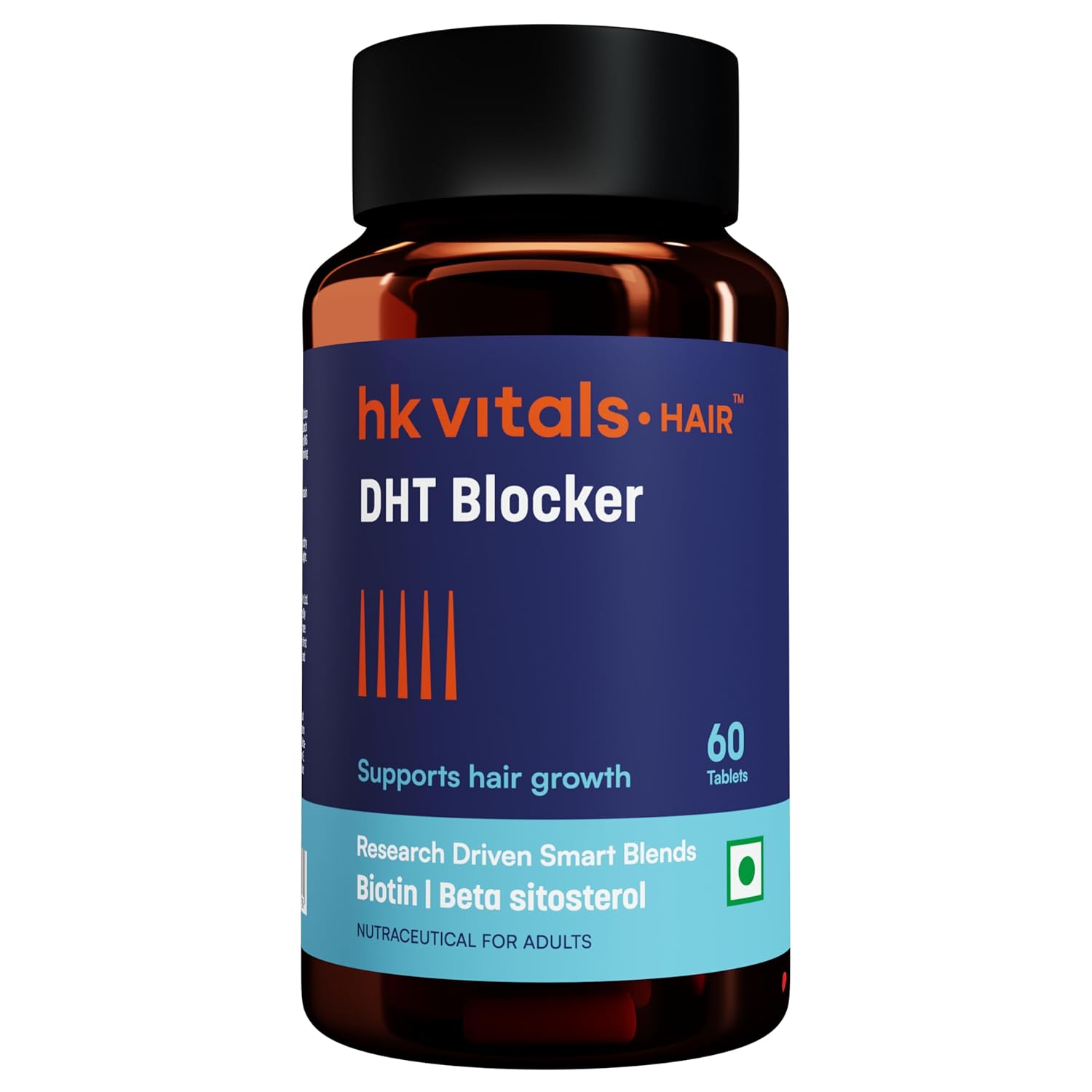
HealthKart HK Vitals Biotin

Indulekha Bringha Hair Oil

WOW Onion Black Seed Hair Oil
Affiliate Disclosure: Links above are affiliate links. We earn a small commission if you purchase at no extra cost to you. We only recommend products we genuinely believe in.
Advertisement
Frequently Asked Questions
How much daily hair shedding is normal?
What is telogen effluvium?
Why is ferritin more important than haemoglobin for hair loss?
How does PCOS cause hair loss?
When should I see a doctor about hair loss?
Are there evidence-backed treatments I can try at home?
Previous
Castor Oil for Hair Growth: The Truth Behind the Trend
Next
The Right Way to Wash Your Hair for Less Breakage and Frizz

Written by
Manali Patel
Manali Patel is the founder and lead beauty editor at Beauty & Blushed. With over 7 years of experience in the beauty and wellness industry, she is a certified skincare consultant and trained yoga practitioner who specialises in skin health, haircare, and holistic women's wellness. Her work has helped thousands of Indian women build practical, sustainable self-care routines that actually fit their lives.
More about Manali →Advertisement
Related Articles

PCOS Symptoms: How to Manage It With Diet and Lifestyle
PCOS affects 1 in 5 Indian women and is the leading cause of irregular periods. Here is how diet and lifestyle…

Iron Deficiency in Women: Signs You Are Missing and How to Fix It
Iron deficiency is the most common nutritional deficiency in Indian women-yet many do not know they have it. L…

Hair Fall Serums: What The Ingredients Actually Do (And What's Just Marketing)
"Hair fall serum" is a broad category covering very different products. Here is which ingredients genuinely ha…
