


Shampoo belongs only on the scalp, not run down the length; conditioner belongs on the lengths and ends, never the scalp. Rinse conditioner with cool water to close the cuticle and reduce frizz. The single most damaging washing habit is piling hair on top of your head or rubbing it roughly with a towel, which causes more mechanical breakage than most styling tools.
Key Takeaways
- Always detangle before getting hair wet-wet hair is three times more prone to breaking.
- Shampoo belongs on the scalp only; conditioner goes from mid-lengths to ends only.
- Pat hair dry with a microfibre towel rather than rubbing.
- High porosity hair benefits from a leave-in conditioner while slightly damp.
- Hot water strips natural oils-lukewarm is always better for hair health.
Advertisement
Washing hair sounds like one of the most straightforward parts of a beauty routine - a task so basic that it barely warrants attention. Yet the way most people wash their hair causes a significant proportion of their hair's breakage, frizz, and damage. The details of how you wash - the order of steps, the water temperature, where you apply each product, and how you treat hair when it is wet - have measurable consequences for hair health that accumulate over hundreds of wash sessions throughout the year.
Hair at its most vulnerable when it is wet. Wet hair swells as water enters the hair shaft, and the interaction between water and the cortex proteins causes temporary weakening - wet hair has approximately 20% less tensile strength than dry hair. The mechanical forces applied during washing (scrubbing, wringing, rough towel drying) on this weakened structure cause the vast majority of daily hair breakage. Understanding this makes it clear why washing technique is worth getting right.
Step 1: Pre-Wash Preparation
The most significant thing you can do to protect hair during washing happens before you turn on the tap. Detangling dry hair before washing - gently, starting from the ends and working upward - removes knots without the compounded vulnerability of wet, weakened strands. Running a wide-tooth comb or finger-detangling through dry hair takes two minutes and prevents the major knot battles that cause breakage during and after washing.
Pre-wash oiling is the second powerful protective step. Applying a penetrating oil (coconut oil is the best-researched choice) to hair 30 minutes to several hours before washing creates a protective layer within the hair shaft that reduces protein loss during washing. Research published in the Journal of Cosmetic Science found coconut oil pre-wash treatment reduced protein loss by up to 39% compared to unwashed hair. For a complete guide to pre-wash oiling and which oils work best for your hair type, see our hair oiling guide.
Step 2: Water Temperature
Hot water is one of the most overlooked contributors to hair damage. The heat opens the hair cuticle aggressively, strips the scalp's natural sebum more thoroughly than necessary, and can cause scalp inflammation over time. Washing with warm (not hot) water is the target - you want it warm enough to open the cuticle and allow cleansing, but not hot enough to strip the scalp or cause thermal damage to the hair shaft.
Finish every wash with a cool water rinse. Cool water constricts the hair cuticle back toward its closed, flat position - the position that reflects light uniformly (producing shine), reduces friction between strands (reducing tangling), and retains moisture within the shaft. The cool rinse is a completely free, immediately noticeable improvement that most people skip because it is momentarily uncomfortable.
Also Read
Advertisement
Step 3: Shampoo Application - Scalp Only
Shampoo is formulated to cleanse - specifically to remove excess sebum, product build-up, and environmental debris from the scalp. It is not formulated for hair lengths and applying it there is unnecessary and damaging. The detergent action that lifts oil from the scalp also strips moisture from the hair shaft when applied to lengths, causing dryness and frizz.
Apply shampoo only to the scalp. Use the pads of your fingers (not fingernails, which scratch the scalp) to massage in circular motions for 1-2 minutes - this mechanical action breaks up sebum and build-up far more effectively than simply coating and rinsing. When you rinse, the shampoo running down the lengths is sufficient to remove any product residue from the hair - no direct application needed. The lengths and ends get cleansed without the stripping effect of direct shampoo contact.
The Sulphate Debate: What the Evidence Actually Shows
Sulphates (sodium lauryl sulphate and sodium laureth sulphate) are surfactants - detergent molecules that create lather and lift oil from surfaces. SLS in particular has been shown to penetrate the hair shaft and cause protein loss with repeated exposure. SLES is gentler but still more stripping than sulphate-free alternatives.
Whether you need a sulphate-free shampoo depends on your hair type and history. Colour-treated hair benefits significantly from sulphate-free formulas, which preserve colour for longer. Very dry, coarse, or chemically processed hair benefits from the gentler cleansing. Fine hair or oily scalp sometimes actually needs the stronger cleansing of a sulphate shampoo - sulphate-free options may not remove excess sebum effectively enough. There is no universal answer; experiment with both and judge by how your scalp feels 24-48 hours after washing.
Step 4: Conditioner - Mid-Length to Ends Only
Conditioner does the opposite of shampoo: it smooths and deposits rather than strips. Conditioner ingredients (typically cationic surfactants like behentrimonium chloride, combined with fatty alcohols and oils) coat the cuticle, temporarily smooth raised scales, reduce friction between strands, and restore some of the moisture lost during cleansing.
Apply conditioner from mid-length to ends, specifically avoiding the scalp and roots. Conditioner applied to the scalp weighs down fine hair, accelerates oiliness in sebum-prone scalps, and can clog follicle openings. Leave conditioner on for 2-3 minutes - not necessarily longer - before rinsing with the cool water discussed above. On very dry or damaged hair, a weekly deep conditioning mask (left for 20-30 minutes with a shower cap) replaces one regular conditioner application.
Hair Porosity and Product Choice
Hair porosity - the degree to which the cuticle is open or closed - fundamentally affects which products work best for your hair. Understanding your porosity prevents the frustration of using well-reviewed products that simply do not perform on your specific hair type.
- Low porosity hair (cuticle lies very flat, resists water and product absorption): Products sit on the surface rather than penetrating. Benefits from lightweight, liquid formulas rather than heavy creams. Heat during deep conditioning helps products penetrate. Protein treatments can cause stiffness - use sparingly. Humectants (glycerin, aloe vera) work well.
- Medium porosity hair (balanced cuticle, accepts products readily): Most products work well. Maintain with regular moisturising treatments and occasional protein.
- High porosity hair (cuticle is raised or damaged, absorbs quickly but loses moisture equally fast): Often a result of chemical processing or heat damage. Benefits from heavier creams and butters that seal the cuticle. Protein treatments help rebuild lost structure. Leave-in conditioners are essential. May also benefit from a dedicated damaged hair repair protocol if the porosity is from damage rather than genetics.
A simple porosity test: drop a clean strand of shed hair into a glass of room-temperature water. Low porosity hair floats for several minutes; medium porosity sinks slowly; high porosity sinks quickly.
Towel Drying: The Most Damaging Step Most People Don't Think About
Vigorously rubbing hair with a cotton towel is one of the most consistently damaging things done to hair during a wash routine. The rough cotton fibres create intense friction against the raised cuticle of wet hair, causing breakage, frizz, and split ends. The solution is simple:
- Use a microfibre towel or a clean cotton T-shirt - both have much smoother surfaces that cause far less friction
- Blot and squeeze, never rub - gently press and squeeze sections of hair to remove water, rather than rubbing in any direction
- Let hair air-dry at least 70% before any heat styling - applying heat to soaking wet hair creates steam inside the hair shaft, causing bubble formation and structural damage
Key Takeaway
The right wash routine - pre-wash detangling and oiling, warm water, shampoo to scalp only, sulphate choice based on hair type, conditioner on lengths only, cool rinse, and gentle towel drying - converts a routine that causes damage into one that actively protects hair. None of these changes are expensive or complicated; they are simply the correct application of what we know about how hair behaves when wet.
Top Picks For You
Handpicked & Editor Approved

WOW Apple Cider Vinegar Shampoo
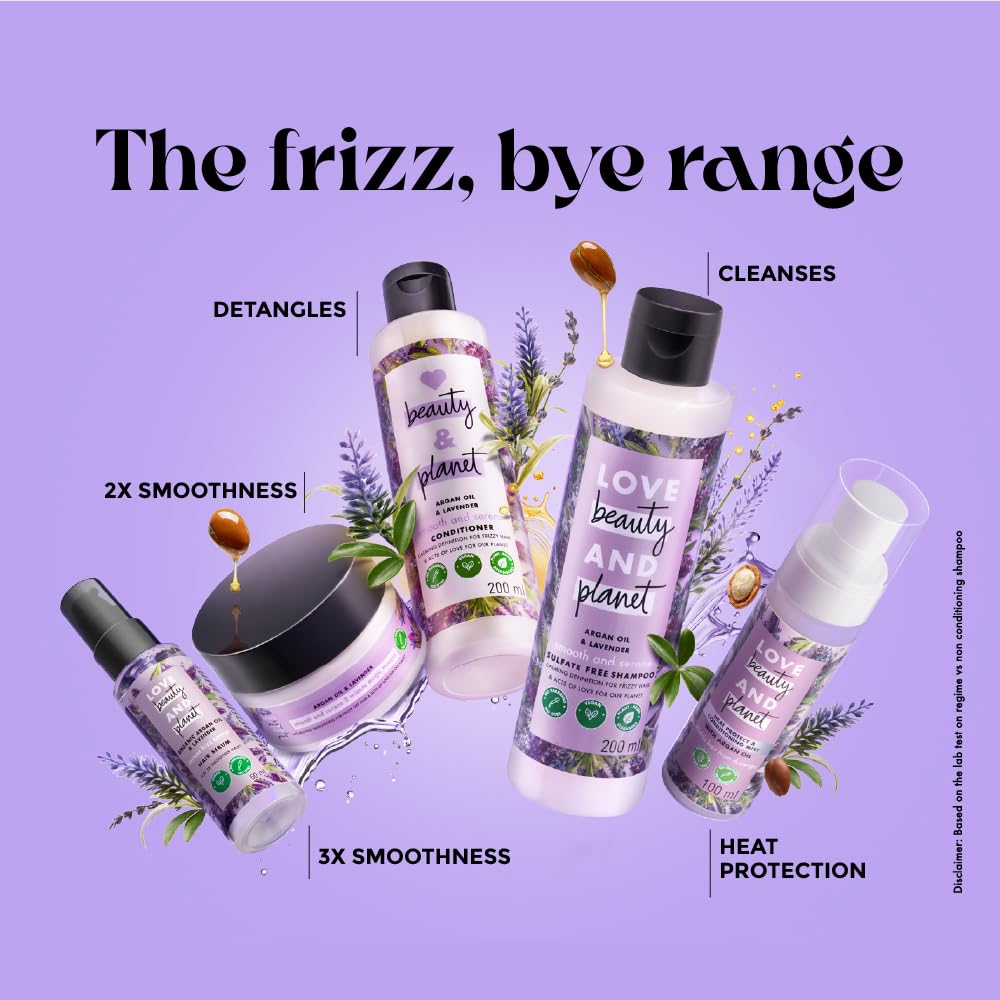
Love Beauty Planet Shampoo

Dove Intense Repair Shampoo
Affiliate Disclosure: Links above are affiliate links. We earn a small commission if you purchase at no extra cost to you. We only recommend products we genuinely believe in.
Advertisement
Frequently Asked Questions
Why is wet hair more vulnerable during washing?
Should shampoo go on the lengths of my hair?
Do I really need a sulphate-free shampoo?
How do I find out my hair porosity?
What is the best way to dry hair after washing?
Why should I finish with a cool water rinse?
Previous
Why You Are Losing More Hair Than Usual: Causes and Solutions for Women
Next
How to Get Shiny Hair Naturally Without Expensive Products

Written by
Manali Patel
Manali Patel is the founder and lead beauty editor at Beauty & Blushed. With over 7 years of experience in the beauty and wellness industry, she is a certified skincare consultant and trained yoga practitioner who specialises in skin health, haircare, and holistic women's wellness. Her work has helped thousands of Indian women build practical, sustainable self-care routines that actually fit their lives.
More about Manali →Advertisement
Related Articles

Hair Cycling: The Routine That Stops Buildup and Brings Your Hair Back to Life
Hair cycling - rotating your products and treatments in a structured weekly schedule - is one of the simplest…

How to Grow Long Hair Faster: Science-Backed Tips That Work
Hair growth cannot be forced overnight, but the right habits push it to its genetic maximum. Here are the evid…

Best DIY Hair Masks for Dry and Frizzy Indian Hair
Kitchen ingredients can transform dry, frizzy Indian hair. These tried-and-tested DIY masks work for all hair…
