


Travel disrupts skin through low cabin humidity, time zone changes that affect cortisol and cell turnover, different water mineral content, and exposure to new allergens or pollutants. Breakouts within days of arriving somewhere new are often caused by hard water, stress, or a compromised barrier rather than the local climate itself. Keeping your core cleanser, moisturiser, and SPF consistent while travelling prevents most travel-triggered skin reactions.
Key Takeaways
- Hard water calcium ions react with cleansers to deposit residue on skin, disrupting its acid mantle.
- UV intensity increases 10 to 12 percent per 1,000 metres of elevation - skiing requires SPF 50.
- Skin takes 48 to 72 hours to begin adapting to new humidity levels; avoid new actives during this window.
- Moving to a humid climate often requires switching from rich moisturisers to gel formulations to prevent congestion.
- Two consecutive nights of poor sleep produce measurable, visible changes in skin appearance.
Advertisement
Travel creates specific and predictable skin effects - and understanding what causes each one makes them both preventable and treatable. The skin complaints travellers experience most frequently are not random: they are the direct result of identifiable stressors that can be anticipated and mitigated with the right preparation. This is the comprehensive guide to what travel does to skin and exactly what to do about it.
Effect 1: Dehydration and Dullness
Cause: Low-humidity cabin air (10-20% humidity) in aircraft, plus air-conditioned terminal and hotel environments, causes accelerated trans-epidermal water loss - moisture evaporating from the skin surface faster than it can be replenished by normal sebum and natural moisturising factors.
Prevention: Apply a humectant-heavy serum (hyaluronic acid, glycerin, aloe) followed by an occlusive layer (facial oil, Vaseline on very dry areas) before boarding. Drink water consistently throughout the flight - approximately 250ml per hour is a useful guideline. Mist face with a hydrating toner mid-flight and follow with moisturiser immediately.
Treatment: Post-flight sheet mask (a flat-packed hydrating sheet mask is one of the most effective recovery tools), followed by a rich moisturiser applied to damp skin.
Also Read
Advertisement
Effect 2: Travel Breakouts
Cause: Multiple contributing factors occur simultaneously during travel: elevated cortisol from travel stress increases sebum production; disrupted sleep affects the cellular repair processes that normally keep congestion in check; different water mineral content in new destinations affects the skin microbiome; new hotel pillowcases may carry detergent residues or other irritants; touching the face more frequently in new environments increases bacteria transfer.
Prevention: Travel with a pillowcase from home (or a silk travel pillowcase, which also reduces friction), maintain the normal cleansing routine without skipping, avoid the temptation to add new products in the destination (product reactions are the worst time to be far from a familiar dermatologist), and manage stress through any available means (see our self-care routine guide).
Treatment: A targeted spot treatment with salicylic acid or tea tree in a travel format; niacinamide serum to reduce inflammation (see our niacinamide guide). Avoid picking - the temperature, humidity, and bacterial environment of travel make post-picking infections more likely than at home.
Effect 3: Sun Damage
Cause: Travel frequently involves significantly more UV exposure than everyday home life - outdoor sightseeing, beach destinations, higher-altitude destinations where UV intensity is greater (UV increases approximately 10% per 1000m altitude gain), and the lower vigilance about sunscreen reapplication that holidays produce.
Prevention: Apply SPF 50 every two hours of sun exposure - not once in the morning. Carry sunscreen in the day bag (a 100ml tube fits in carry-on and is accessible for reapplication). A UV-protective rashguard or long-sleeved shirt provides consistent protection without reapplication, particularly useful for water activities where sunscreen washes off. See our comprehensive sunscreen guide.
Effect 4: Skin Sensitivity and Reactions
Cause: Changed water mineral content (particularly calcium and magnesium levels in hard water destinations), different food (dietary triggers for skin reactions in some individuals), and new environmental allergens (pollens, dust mites, moulds specific to the destination) can trigger sensitivity in skin that is normally well-behaved.
Prevention: Minimise product introductions during travel - stick to the proven routine rather than testing new products from hotel amenities. Use micellar water rather than tap water for cleansing if the destination is known for very hard water.
Effect 5: Hyperpigmentation from Sun and Heat
Cause: UV exposure triggers melanocyte activity, and the combination of increased sun exposure during travel and lower sunscreen vigilance makes post-holiday hyperpigmentation a common complaint, particularly for Indian skin tones that are already prone to PIH (post-inflammatory hyperpigmentation).
Treatment: After returning: vitamin C serum (morning) for brightening oxidative damage, niacinamide to inhibit melanin transfer, consistent SPF to prevent further darkening, and patience - hyperpigmentation takes 4-12 weeks of consistent treatment to fade.
Key Takeaway
Travel skin effects - dehydration, breakouts, sun damage, sensitivity, and hyperpigmentation - are predictable and preventable. The core protection strategy: barrier-focused skincare before and during flight, consistent SPF 50 reapplied every two hours of sun exposure, no new product introductions during travel, and post-trip intensive hydration and repair. Travel with your normal routine in travel-size form rather than relying on hotel products.
Top Picks For You
Handpicked & Editor Approved

Minimalist Hyaluronic Acid 2%

Re'equil Sunscreen SPF50
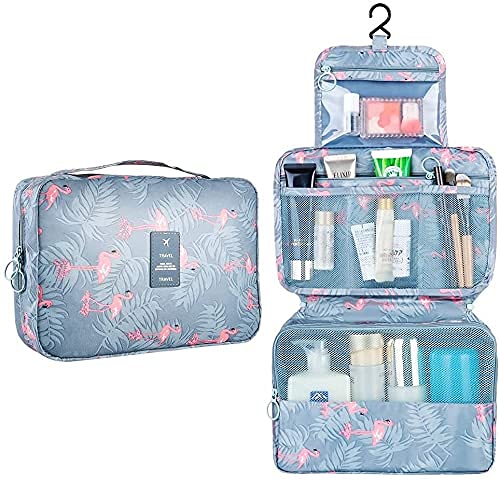
Miniso Travel Toiletry Bag
Affiliate Disclosure: Links above are affiliate links. We earn a small commission if you purchase at no extra cost to you. We only recommend products we genuinely believe in.
Advertisement
Frequently Asked Questions
What causes travel dehydration and dullness, and how do I prevent it?
Why do I break out when I travel?
How much extra sun protection do I need at higher altitudes?
Can travelling to a new place make my skin suddenly sensitive?
How do I treat hyperpigmentation after a holiday?
Should I try new skincare products while travelling?
Previous
The World's Best Spa Destinations in 2025: From Bali to Budapest
Next
How to Pack Beauty Essentials for Travel: The Efficient, Nothing-Wasted Method

Written by
Manali Patel
Manali Patel is the founder and lead beauty editor at Beauty & Blushed. With over 7 years of experience in the beauty and wellness industry, she is a certified skincare consultant and trained yoga practitioner who specialises in skin health, haircare, and holistic women's wellness. Her work has helped thousands of Indian women build practical, sustainable self-care routines that actually fit their lives.
More about Manali →Advertisement
Related Articles

Budget Beauty Travel Kit: What to Pack When Flying Economy
Travelling light does not mean sacrificing your skincare or beauty routine. This practical guide covers everyt…

Travel Skincare: How to Protect Your Skin on Flights and in New Climates
Cabin air at 10-20% humidity accelerates skin dehydration dramatically. This travel skincare guide covers in-f…

Glazed Donut Skin: The Complete Routine for That Dewy, Glass-Skin Glow
Glazed donut skin - the lit-from-within, ultra-dewy finish popularised by Hailey Bieber - is more of a skincar…
