


A complete morning routine needs only four to five products: cleanser, vitamin C serum, moisturiser, and a broad-spectrum SPF 30 or higher sunscreen. In India's humid climate, a lightweight gel moisturiser keeps skin comfortable without greasiness. The entire routine takes under ten minutes, and the sunscreen step is the one you absolutely cannot skip.
Key Takeaways
- Many skin types do not need a cleanser in the morning. A lukewarm water rinse is enough.
- Vitamin C serum in the morning extends SPF protection and fights pollution-related free radicals.
- Moisturiser applied to slightly damp skin absorbs better and performs more effectively.
- SPF is the most critical morning step and protects everything you worked on the night before.
- Retinol, AHAs, and BHAs belong in your evening routine exclusively, not the morning.
Advertisement
There is a common misconception that an effective skincare routine needs to be complicated. Social media shelves full of fifteen products, seven-step layering sequences, and elaborate double-masking rituals make it seem as though the more steps you do, the better your skin will look. The reality is far simpler and far more encouraging: a well-chosen five-step morning routine, done consistently, produces better results than any complicated routine done inconsistently.
The morning skincare routine has one primary job: protect your skin from the damage it will encounter during the day - UV radiation, pollution, environmental stress - while keeping it hydrated and functioning optimally. Here is how to do it in under ten minutes.
Why a Morning Routine Is Different From Evening
Evening skincare focuses on repair and treatment - retinol, chemical exfoliants, richer moisturisers. Morning skincare is about protection and preparation. The distinction matters because using repair-focused ingredients in the morning (like acids or retinol) can actually cause more damage by increasing photosensitivity under UV exposure.
Morning routines should be lighter, faster, and focused on creating a protective barrier between your skin and the day ahead. In India - where UV index levels are high year-round and pollution is significant in most cities - this protective function is especially critical.
Step 1: Cleanse (Gently)
The first morning step is controversial: should you cleanse in the morning at all? If you cleansed thoroughly the night before and your skin is not particularly oily, a splash of lukewarm water is sufficient for most people. Your skin has not accumulated significant grime overnight, and over-cleansing strips the natural oils your skin spent the night producing.
If you have oily or acne-prone skin, or if you wake up feeling particularly congested, a gentle, low-pH gel or cream cleanser - not a foaming, stripping formula - is appropriate. Keep the morning cleanse brief: thirty seconds, lukewarm water, gentle circular motions. Never hot water, which dehydrates skin and dilates capillaries.
Step 2: Vitamin C Serum
Vitamin C is the single most evidence-backed antioxidant in skincare, and morning is the ideal time for it. When applied before SPF, vitamin C provides a secondary layer of protection against UV-induced free radical damage - the primary mechanism by which sun exposure causes premature ageing and hyperpigmentation.
Beyond its protective antioxidant function, vitamin C inhibits tyrosinase - the enzyme responsible for melanin production - which makes it exceptionally effective at fading dark spots and preventing new ones forming. This is particularly relevant for Indian skin tones, which are more prone to post-inflammatory hyperpigmentation.
Apply vitamin C serum to slightly damp skin, pressing it in gently. Allow it to absorb for one to two minutes before proceeding. A concentration of 10-15% L-ascorbic acid or 20% vitamin C in a derivative form (like ascorbyl glucoside) is effective for most people. If you are new to vitamin C, start at 10% - higher concentrations can cause mild tingling initially.
Also Read
Advertisement
Step 3: Moisturiser
Even oily skin needs moisturiser. The belief that oily skin should skip this step is one of the most persistent and damaging myths in skincare. Dehydrated skin - regardless of its natural oil level - overproduces sebum in compensation, creating the oily appearance that makes people skip moisturiser in the first place.
Choose a moisturiser appropriate for your skin type and India's climate:
- Oily/combination skin: Lightweight gel moisturiser with hyaluronic acid and niacinamide. See our guide on niacinamide benefits for more on why this ingredient is particularly suited to oily skin.
- Dry skin: Cream moisturiser with ceramides, shea butter, or squalane
- Normal/sensitive skin: Gel-cream hybrid for balance without heaviness
In India's hot, humid months (March through September), most people find that a lighter moisturiser or even just a good serum under SPF is sufficient. In winter and in air-conditioned environments, a richer formula is appropriate. Learn to adjust your routine seasonally.
Step 4: Eye Cream (Optional but Valuable)
The skin around the eyes is thinner and more delicate than anywhere else on the face, has fewer sebaceous glands (making it naturally drier), and shows the first signs of ageing - fine lines, hollowness, and dark circles. A targeted eye cream addresses these concerns more specifically than a general moisturiser.
Apply eye cream by gently tapping it in with your ring finger (which exerts the least pressure) along the orbital bone - not directly under the lash line, which risks product migrating into the eye. Ingredients to look for: caffeine for puffiness, vitamin K for dark circles with a vascular component, peptides for fine lines.
Step 5: Sunscreen - The Most Important Step
If you only do one step of your morning routine, this is it. Broad-spectrum SPF 30 or higher every single morning, regardless of season, regardless of whether you are indoors or outdoors, regardless of your skin tone. UVA rays - which cause ageing and contribute to skin cancer - penetrate clouds and glass, meaning indoor days without SPF still cause cumulative damage.
Apply sunscreen as the absolute last step of your routine (if not using makeup) or as your base before makeup application. Use approximately a teaspoon for the face alone - most people apply 20-25% of the amount needed to achieve the stated SPF protection.
For Indian skin tones that struggle with white cast from traditional mineral sunscreens, hybrid mineral-chemical formulas or pure chemical sunscreens are excellent options. Our complete sunscreen guide covers the best formulas for every concern and skin tone.
The Complete 5-Step Morning Routine at a Glance
- Cleanse - gentle formula or just water, 30 seconds
- Vitamin C serum - apply to damp skin, let absorb
- Moisturiser - appropriate for your skin type and season
- Eye cream - tap gently along orbital bone (optional)
- SPF 30+ - generous application, every single day
Total time: 5-10 minutes. Total products: 4-5. Results with consistency: transformative over 8-12 weeks.
Building Toward a Comprehensive Routine
Once this five-step foundation is established and consistent, you can consider adding targeted treatments. An exfoliating serum (used three times a week on its own, separate from your standard routine) or a dedicated hyperpigmentation treatment can address specific concerns without disrupting the protective morning framework. If you are also introducing retinol into your evening routine, read our retinol beginner guide to understand how to structure both routines together without overlap or irritation.
Key Takeaway
The perfect morning skincare routine is the one you will actually do every day. Five targeted steps - gentle cleanse, vitamin C, moisturiser, eye cream, and SPF - provide everything your skin needs in the morning. Do them consistently for three months and the improvement will speak for itself.
Top Picks For You
Handpicked & Editor Approved
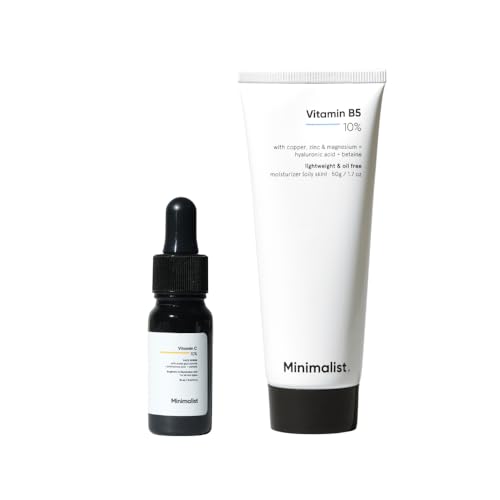
Minimalist Vitamin C 10%

Re'equil SPF50 Sunscreen

Simple Kind to Skin Moisturiser
Affiliate Disclosure: Links above are affiliate links. We earn a small commission if you purchase at no extra cost to you. We only recommend products we genuinely believe in.
Advertisement
Frequently Asked Questions
Do I really need to cleanse my face in the morning?
Why should I apply vitamin C in the morning?
Does oily skin need a morning moisturiser?
What is the correct order for a morning skincare routine?
How much sunscreen should I apply in the morning?
Can I use retinol or acids in my morning routine?
Previous
How to Get Glass Skin: The Korean Beauty Routine That Actually Works
Next
Skin Cycling: The 4-Night Routine That Dermatologists Are Recommending

Written by
Manali Patel
Manali Patel is the founder and lead beauty editor at Beauty & Blushed. With over 7 years of experience in the beauty and wellness industry, she is a certified skincare consultant and trained yoga practitioner who specialises in skin health, haircare, and holistic women's wellness. Her work has helped thousands of Indian women build practical, sustainable self-care routines that actually fit their lives.
More about Manali →Advertisement
Related Articles

Glazed Donut Skin: The Complete Routine for That Dewy, Glass-Skin Glow
Glazed donut skin - the lit-from-within, ultra-dewy finish popularised by Hailey Bieber - is more of a skincar…

The Truth About Sunscreen: Why SPF Is the One Step You Should Never Skip
UV radiation causes 80 percent of visible skin ageing. Sunscreen is the single most effective anti-ageing prod…

How to Get Glass Skin: The Korean Beauty Routine That Actually Works
Glass skin is the most sought-after complexion goal in beauty right now. Here is what it actually requires, st…
