


Rice water contains inositol, which can strengthen and smooth the hair shaft and reduce breakage, but there is no clinical evidence it grows new hair from follicles. Use it as a rinse after conditioning for a temporary protein boost. Indian women with already protein-rich hair routines or chemically treated hair should limit use to once a week to avoid stiffness and increased brittleness.
Key Takeaways
- Rice water contains inositol, a carbohydrate that penetrates the hair shaft and reduces surface friction.
- Fermented rice water has a higher inositol concentration and a lower pH - both improve its effectiveness.
- Results are most visible for hair that is damaged, brittle, or prone to breakage - not for all hair types.
- Overuse (more than once a week) causes protein overload: stiff, brittle hair that breaks more easily.
- The Yao women of China's red rice water tradition combined fermentation with regular physical scalp massage - both matter.
Advertisement
In Huangluo village in Guangxi Province, China, the women of the Yao ethnic minority have drawn visitors, researchers, and journalists for decades - not for any particular cultural festival or geographical wonder, but for their hair. The women of Huangluo hold a Guinness World Record for the longest average hair length of any community on earth: an average of 1.8 metres per woman, with some lengths reaching 2.1 metres. They are, collectively, the Long Hair Village. And the cornerstone of their hair care practice for over two thousand years has been fermented rice water.
Meanwhile, in India, variations of this same practice have existed in regional traditions for centuries. In Kerala, rice water (known as kanji) has long been used both as a nutritious drink and a scalp rinse. In Tamil Nadu, the water drained from cooked rice was traditionally used to condition hair before washing. These practices were not the result of scientific analysis - they were empirical observations, passed from mothers to daughters over generations, that something in rice water made hair stronger, smoother, and more resilient.
Now researchers have identified precisely what that something is - and the science is considerably more interesting than the viral social media trend suggests.
What Is Actually in Rice Water
Rice water - the water remaining after rice is soaked or boiled - contains a specific constellation of biologically active compounds that interact with hair in measurable ways. Understanding what each does demystifies why this ancient remedy works.
Inositol: The Star Compound
Inositol is a carbohydrate (a type of sugar alcohol) found in significant concentrations in rice water. What makes inositol remarkable in the context of hair care is not merely that it is present - it is how it behaves. Most topical hair treatments coat the outside of the hair shaft but are rinsed away with the next wash. Inositol is different: research published in the International Journal of Cosmetic Science demonstrated that inositol penetrates the hair shaft and remains inside the hair even after rinsing. This residual activity is genuinely unusual among hair care ingredients.
Within the hair shaft, inositol reduces friction between protein fibres, increases tensile strength (the force required to break the hair), and decreases surface roughness of the cuticle. In practical terms: hair treated with inositol resists breakage better, feels smoother to the touch, and maintains those properties across multiple washes. This is the scientific basis behind the ancient observation that rice water makes hair stronger.
Amino Acids
Rice water contains several free amino acids - the building blocks of protein - including glutamine, asparagine, and glycine. These amino acids can temporarily fill micro-damage on the hair cuticle and cortex, providing a mild protein-conditioning effect. For hair that is mildly protein-deficient, this is a gentle, food-derived protein boost without the risk of overloading that comes from heavy keratin treatments.
B Vitamins and Vitamin E
Vitamins B1 (thiamine), B2 (riboflavin), B3 (niacin), and B6 are all present in rice water. These vitamins support cellular function and have mild antioxidant properties when applied topically. Vitamin E, a fat-soluble antioxidant, helps protect the hair shaft from oxidative damage caused by UV exposure, pollution, and chemical processing - all significant concerns for Indian women navigating urban environments and strong sun. The concentration of these vitamins in rice water is modest but meaningful across consistent, long-term use.
Also Read
Advertisement
Ferulic Acid
Ferulic acid is an antioxidant phenolic compound found in the bran layer of rice. When rice is soaked, ferulic acid leaches into the water. It neutralises free radicals that damage both the hair fibre and the scalp, acts as a natural UV absorber providing mild photoprotection, and works synergistically with vitamins C and E to enhance their antioxidant effects. It is the same antioxidant found in expensive vitamin C serums for the skin - and in rice water, it comes free.
Fermented vs Plain Rice Water: Why Fermentation Matters
Not all rice water is equal. Plain rice water - made by simply soaking raw rice in water and straining it - contains all the compounds above. Fermented rice water, allowed to sit at room temperature for 24-48 hours, goes through a transformation that makes it more effective in several specific ways.
During fermentation, the natural bacteria and yeasts present in the rice and water metabolise the starches and sugars, producing a byproduct called pitera (also known as PDRN - Poly-Deoxyribonucleotide-rich water, though the traditional term pitera is more commonly used in beauty contexts). Pitera is a fermentation byproduct with skin and hair cell-communicating properties. The same compound is found in premium South Korean skincare products at significantly higher cost.
Fermentation also lowers the pH of the rice water. Plain rice water has a pH of approximately 6.0-7.0. Hair's natural pH is 4.5-5.5, and the scalp's is slightly more acidic. Fermented rice water, with a pH closer to 4.0-5.0, is more pH-compatible with both the hair shaft and the scalp. This matters because a slightly acidic rinse closes the cuticle (making hair smoother and shinier), while an alkaline treatment lifts the cuticle (causing frizz and dullness). Fermented rice water naturally smooths the cuticle - this is one of the primary mechanisms behind the shine and reduced frizz that users observe.
Additionally, the increased inositol concentration in fermented rice water (fermentation enhances the bioavailability of inositol from the rice) means stronger penetrating and strengthening effects compared to plain soaked rice water.
How to Make Fermented Rice Water at Home
The preparation method matters. Here is the exact process for making effective fermented rice water:
- Rinse the rice first. Take half a cup of plain white rice (regular long-grain rice works well; broken rice or sonamasoori are fine). Rinse it once briefly under running water to remove surface dust and debris - but do not rinse more than once, as you want to preserve the starch and nutrients.
- Soak in 2 cups of water. Place the rinsed rice in a clean jar or bowl and cover with two cups of room-temperature water. Let it soak for 30 minutes, stirring occasionally. The water will become milky white as starch and nutrients leach out.
- Strain the rice. Strain out the rice (which you can cook and eat as normal). The milky water is your raw rice water.
- Ferment at room temperature. Leave the strained rice water in a covered jar at room temperature for 24-48 hours. In Indian temperatures (25-35°C), 24 hours is usually sufficient - the warmer the environment, the faster fermentation proceeds. You will know fermentation is happening when the water begins to smell slightly sour (like mild yoghurt or buttermilk). This is the correct smell. If it smells rotten or develops visible mould, discard and start again.
- Dilute before use. Fermented rice water is concentrated - use it diluted with fresh water (1 part rice water to 2 parts water) to avoid over-applying. Undiluted fermented rice water used too frequently can cause protein overload in sensitive hair types.
- Store in the refrigerator. Once fermented, store in a sealed glass jar in the refrigerator for up to one week. Shake before each use.
How to Use Rice Water Correctly
The application method is where many people go wrong - and getting it right makes a significant difference in outcomes. The most effective use of rice water is as a post-shampoo, pre-rinse treatment, not as a leave-in.
- Shampoo and rinse your hair as normal.
- Gently squeeze excess water from your hair.
- Pour or spray the diluted fermented rice water over your hair, focusing on the lengths and ends. Work it through with your fingers.
- Leave on for 5-20 minutes (start with 5 minutes if you are new to it; you can extend to 20 minutes as your hair adjusts). Do not leave on for more than 30 minutes - extended contact time can cause protein overload in fine or already-protein-rich hair.
- Rinse thoroughly with cool water.
- Follow with your regular conditioner. This is important: the rice water provides protein; the conditioner provides moisture to balance it. Do not skip the conditioner after rice water application.
Use rice water once per week at maximum. If you are already using protein-heavy treatments in your routine (egg masks, curd rinses, keratin conditioners), consider rice water as a replacement for one of those treatments rather than an addition. Stacking multiple protein sources in the same routine leads to the brittle, snapping hair that protein overload creates. Our guide on repairing damaged hair explains how to recover if your hair is already showing signs of protein overload.
Who Should Be Cautious
Rice water is not universally beneficial. Hair that is already protein-overloaded - stiff, rough, snapping easily - will be made worse by rice water, not better. Before incorporating rice water, run the elasticity test described above. If your hair snaps with minimal stretch, prioritise moisture treatments for two to four weeks before introducing rice water.
Very fine hair types may also find rice water makes their hair feel heavy and limp with frequent use. In this case, reduce to every two weeks or use plain (non-fermented) rice water, which has a milder protein effect.
Scalp application requires caution too - rice water on the scalp may feed the yeast Malassezia in dandruff-prone individuals, potentially worsening dandruff. If you are prone to scalp flaking, keep rice water application to the lengths and ends, avoiding the scalp entirely. For scalp-specific concerns, our guide on scalp care routines offers targeted recommendations.
Realistic Expectations: What Rice Water Can and Cannot Do
Social media has done rice water no favours by positioning it as a hair growth miracle. The honest scientific picture is more nuanced - and still genuinely impressive.
What rice water reliably delivers with consistent use: improved shine (from cuticle smoothing and inositol's surface effects), reduced breakage (from increased tensile strength - measurable in research, perceptible at home as less hair in the brush and fewer snapped ends), reduced frizz (from the acidic pH closing the cuticle), and improved manageability (from reduced surface friction between strands). These improvements are visible within 4-6 weeks of weekly use in most cases.
What rice water does not do: it does not grow new hair follicles, it does not reverse hair thinning from hormonal causes (PCOS, thyroid imbalance, iron deficiency), and it does not repair deeply chemically damaged hair the way a bond-building treatment can. The Yao women's extraordinary hair length is almost certainly a product of their entire hair care practice - gentle handling, no chemical treatments, protective styles, a traditional diet - with rice water as one important element, not a single magic ingredient.
Used correctly, within a balanced hair cycling routine that provides sufficient moisture alongside its protein contribution, rice water is one of the most cost-effective and scientifically validated hair strengthening treatments available - no trip to a salon required.
Key Takeaway
Rice water works because of inositol - a compound that penetrates the hair shaft and remains active after rinsing, reducing friction and improving tensile strength. Fermented rice water is more effective than plain: its lower pH closes the cuticle, it contains pitera from fermentation, and its inositol is more bioavailable. Use it once per week as a post-shampoo rinse (not a leave-in), always follow with conditioner, and pair it within a hair cycling routine that balances its protein effect with adequate moisture. Results - improved shine and reduced breakage - are realistic within 4-6 weeks. Hair growth claims are overblown; hair strengthening claims are not.
Top Picks For You
Handpicked & Editor Approved

WOW Rice Water Shampoo
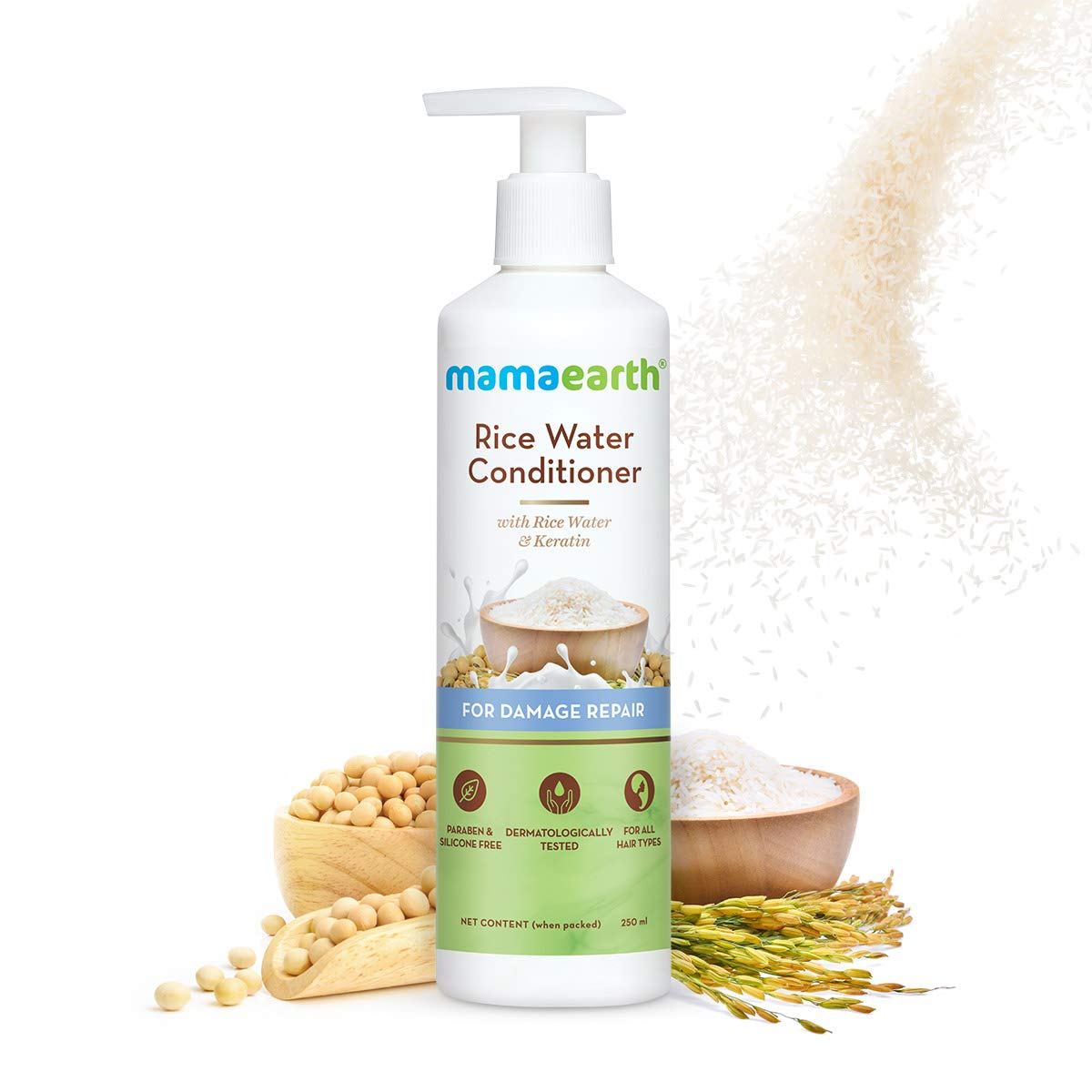
Mamaearth Rice Water Conditioner

Wow Onion Hair Growth Kit
Affiliate Disclosure: Links above are affiliate links. We earn a small commission if you purchase at no extra cost to you. We only recommend products we genuinely believe in.
Advertisement
Frequently Asked Questions
What is the main active compound in rice water?
Why is fermented rice water more effective than plain?
How do I make fermented rice water at home?
How should I use rice water on my hair?
Who should be cautious with rice water?
What can rice water realistically do for my hair?
Previous
Cortisol Face: What Chronic Stress Is Doing to Your Face and How to Reverse It
Next
Hair Cycling: The Routine That Stops Buildup and Brings Your Hair Back to Life

Written by
Manali Patel
Manali Patel is the founder and lead beauty editor at Beauty & Blushed. With over 7 years of experience in the beauty and wellness industry, she is a certified skincare consultant and trained yoga practitioner who specialises in skin health, haircare, and holistic women's wellness. Her work has helped thousands of Indian women build practical, sustainable self-care routines that actually fit their lives.
More about Manali →Advertisement
Related Articles

Scalp Care Routine: Why Your Scalp Health Directly Affects Hair Growth
Healthy hair starts at the scalp. Here is everything you need to know about building a scalp care routine that…

Hair Cycling: The Routine That Stops Buildup and Brings Your Hair Back to Life
Hair cycling - rotating your products and treatments in a structured weekly schedule - is one of the simplest…

Castor Oil for Hair Growth: The Truth Behind the Trend
Castor oil has been used for hair for generations-but does the science back it up? Here is what we actually kn…
