


Hair cycling rotates shampoo types across washes: a clarifying shampoo every three to four weeks, a protein treatment fortnightly, and a moisturising wash in between. This prevents the buildup from heavy oils and conditioners that is particularly common in Indian hair routines involving weekly oiling. Starting with a clarifying wash to reset your hair's baseline gives you the clearest read on what your hair actually needs.
Key Takeaways
- Hair cycling alternates clarifying, nourishing, and protein treatments across the week rather than using the same products every wash.
- Clarifying once every 2-4 weeks removes silicone and product buildup that causes flat, heavy hair.
- Protein treatments should follow your hair's porosity: high-porosity hair needs more frequent protein; low-porosity hair needs less.
- The scalp and lengths have different needs - address them separately within your weekly rotation.
- Hair cycling works best with a stable core routine rather than constant product switching.
Advertisement
Skin cycling - rotating active ingredients across different nights to prevent irritation and maximise results - went viral in 2022 and changed how millions of people approach their skincare routines. The underlying logic is elegant: instead of overwhelming your skin with every active simultaneously, you alternate between exfoliation, retinol, and recovery nights, allowing each treatment to work at its best while the skin barrier recuperates in between.
Hair cycling applies precisely this same principle to your wash-day routine. Rather than using the same products in the same sequence every time you wash, you rotate between different targeted treatments - a clarifying wash, a protein treatment, a deep moisture mask, and a scalp oil day - across successive wash days. The result is hair that receives the specific intervention it needs on each cycle, without the protein overload, moisture overload, or product build-up that comes from using everything at once, every time.
For Indian women in particular, hair cycling addresses some deeply ingrained routine habits that, despite good intentions, can create cumulative hair problems. Applying egg masks and curd treatments every single week, oiling heavily before every wash, and layering multiple protein-rich products without counterbalancing moisture are common patterns that disrupt the protein-moisture balance and lead to brittle, fragile hair over time. Hair cycling provides the framework to do all of these things - just not all at once.
Understanding the Protein-Moisture Balance
Before building a hair cycling routine, it is essential to understand why this balance matters so much. Hair is composed primarily of keratin, a structural protein. When hair is healthy, its protein content and moisture content exist in equilibrium - the protein provides strength and structure; moisture provides flexibility and elasticity. When either side of this equation is out of balance, specific and recognisable problems emerge.
Protein-deficient hair feels limp, stretchy, and mushy when wet. It lacks body and may break at the ends rather than snapping. Common causes include excessive moisture treatments without protein, over-conditioning, or simply not incorporating protein treatments into the routine.
Protein-overloaded hair feels stiff, rough, and wiry. It snaps rather than stretching when you pull a single strand. It may feel coarse and rough to the touch even after conditioning. This is the silent epidemic in Indian hair routines: eggs, curd, rice water, and many salon protein treatments used too frequently, without sufficient moisture to balance them, create chronically protein-overloaded hair.
The Elasticity Test
To assess where your hair currently sits, wet a single strand and gently stretch it. Healthy hair stretches approximately 30 percent before returning to its original length. If your hair stretches significantly (50 percent or more) before snapping, or if it feels mushy and does not spring back, it is moisture-deficient. If your hair snaps almost immediately with minimal stretch - like a dry piece of pasta - it is protein-overloaded and needs moisture urgently before any further protein is introduced. Run this test before starting your hair cycling routine to understand your starting point.
The 4 Core Wash Days of Hair Cycling
Wash Day 1: Clarify Day
Clarifying is the reset that makes every subsequent treatment work better. Product build-up - from conditioners, serums, oils, dry shampoos, and styling products - accumulates on the hair shaft and scalp over time, creating a film that blocks moisture from entering and nutrients from reaching the scalp. A clarifying shampoo removes this build-up completely.
Use a clarifying or detox shampoo (look for ingredients like charcoal, apple cider vinegar, salicylic acid, or zinc pyrithione for scalp concerns). Follow with only a lightweight conditioner on the ends - no masks, no heavy treatments on this day. The goal is a clean slate. Indian brands offering good clarifying options include the Pilgrim Apple Cider Vinegar Shampoo and the Mamaearth Charcoal Shampoo, both available under Rs 400. At a higher price point, the Paul Mitchell Clarifying Shampoo Three works extremely well.
During the Indian monsoon season, clarifying frequency may increase to every other wash day, because humidity, sweat, and pollution accelerate product build-up on the scalp. If your scalp feels itchy, heavy, or your hair looks flat and lifeless even immediately after washing, this is the sign to clarify more frequently.
Also Read
Advertisement
Wash Day 2: Protein Treatment Day
After clarifying, the hair shaft is clean and receptive - this is the ideal moment to apply a protein treatment. Protein treatments temporarily fill gaps in the hair's cuticle and cortex, strengthening the strand and reducing breakage. They are not permanent repairs (since the hair shaft is dead and cannot self-repair), but they produce a measurable improvement in strength and resilience that lasts until the next wash.
Choose your protein treatment based on how much your hair needs. Mild protein: rice water rinse after shampooing (leave on for 5 minutes, rinse thoroughly). Moderate protein: a protein-enriched conditioner or mask containing hydrolysed keratin, silk amino acids, or rice protein (leave on 10-20 minutes). Intensive protein: a reconstructor treatment like the Streax Vitariche Gloss Hair Serum or OGX Thick and Full Biotin Collagen Conditioner for budget options; Redken Extreme Strength Builder for a higher-end choice.
The single most important rule: always follow a protein treatment with moisture. Never end a wash day on protein alone. After your protein mask, apply a light conditioner or a few drops of lightweight oil (argan or grapeseed) to seal the cuticle and counterbalance the stiffening effect of the protein.
Wash Day 3: Deep Moisture Mask Day
This is the most restorative day in the cycle - the day your hair gets to drink deeply. A deep conditioning mask or hair mask provides intense hydration to the hair shaft, restoring flexibility, elasticity, and softness. This is the day for the heavy treatments: shea butter masks, aloe vera-based conditioners, hyaluronic acid hair masks, and moisturising oil blends.
For Indian hair, this is the day to use coconut oil as a pre-wash treatment. Apply coconut oil to dry hair 30 minutes to two hours before washing - its small molecular size allows it to penetrate the hair cortex and reduce protein loss during the wash itself, delivering internal moisture rather than just surface coating. After shampooing out the pre-wash oil, follow with your deep moisture mask (leave on for 20-30 minutes under a shower cap).
Good budget moisture masks include the Pantene Silky Smooth Care Mask and WOW Skin Science Apple Cider Vinegar Hair Mask. For a mid-range option, the Forest Essentials Hair Mask with Amla and Rosemary works well for Indian hair textures. The Briogeo Don't Despair Repair Deep Conditioning Mask is excellent at the premium end.
Wash Day 4: Scalp Oil Day
The scalp oil day refocuses attention on the living tissue - the scalp - rather than the hair shaft. A healthy scalp with good circulation, balanced sebum production, and a clean follicle environment produces stronger, thicker hair from the root. This wash day incorporates a targeted scalp oil treatment before washing.
The oil you choose should match your scalp concern. For general nourishment and growth support: bhringraj oil (the Ayurvedic gold standard for scalp health, with evidence for increasing hair follicle size and number in animal studies) or sesame oil. For dandruff-prone scalps: tea tree oil diluted in a carrier (5-10 drops per 30ml). For stimulating circulation: peppermint oil diluted in carrier oil - a 2019 study found that peppermint oil applied to the scalp increased dermal thickness, follicle depth, and follicle number in research subjects. For thinning hair: castor oil blended with a lighter carrier oil (1:3 ratio) to prevent it being too heavy to wash out. Read our full guide on hair oiling for detailed techniques on scalp application.
Apply the oil to the scalp with a dropper or cotton pad, massage gently for 5-10 minutes using fingertip circular motions, leave on for a minimum of 30 minutes (or overnight), then wash out thoroughly. Follow with your regular conditioner on the lengths.
How to Adapt Hair Cycling for Indian Weather
India's monsoon season - typically June through September - requires specific adjustments to a standard hair cycling routine. High humidity increases scalp sweat and sebum production, accelerates product build-up, and creates conditions where fungal scalp conditions (dandruff, seborrheic dermatitis) are more likely to flare.
During monsoon: increase clarifying frequency (move to every wash day or every other wash day), reduce the frequency of heavy oil treatments (skip the scalp oil day or replace heavy oils with lighter jojoba or grapeseed), and add an anti-fungal ingredient to your shampoo (zinc pyrithione or ketoconazole if dandruff is a concern). The protein and moisture days remain important and should be maintained. For a complete monsoon hair care framework, see our guide on scalp care through the seasons.
In dry North Indian winters, the balance shifts the other way - moisture day becomes the most critical day in the cycle, and you may choose to do two moisture days for every one protein day. The scalp oil day becomes especially important, as dry winter air depletes both scalp and hair shaft moisture rapidly.
Recommended Indian Products for Each Day
- Clarify Day (Budget): Mamaearth Charcoal Anti-Pollution Shampoo (Rs 349), Pilgrim Apple Cider Vinegar Shampoo (Rs 299)
- Clarify Day (Mid-range): The Moms Co. Natural Protein Shampoo, Coco Soul Activated Charcoal Shampoo
- Protein Day (Budget): Tresemme Keratin Smooth Mask (Rs 299), OGX Biotin Collagen Conditioner
- Protein Day (Mid-range): Streax Pro Vita Gloss Hair Mask, The Good Stuff Keratin Conditioner
- Moisture Day (Budget): Pantene Silky Smooth Hair Mask, Indulekha Bringha Hair Mask
- Moisture Day (Premium): Briogeo Don't Despair Repair Mask, Forest Essentials Hair Mask with Amla
- Scalp Oil Day (Budget): Dabur Vatika Coconut Oil with Herbs, Bajaj Brahmi Amla Oil
- Scalp Oil Day (Mid-range): Kama Ayurveda Bringadi Intensive Hair Treatment, Just Herbs Bhringraj Oil
How Long Before You See Results?
Hair cycling requires a genuine commitment before visible results emerge. Because each hair cycling rotation (all four wash days) takes two to four weeks depending on your washing frequency, you complete only two to three full cycles in the first month. Most people begin to notice a change in texture and reduced breakage between weeks 4 and 6. Significant visible improvement - increased shine, measurably less shedding during combing, improved manageability, and reduced frizz - typically emerges between weeks 8 and 12.
The longer you have been over-proteining or under-moisturising your hair, the longer the recalibration takes. If your hair has been consistently brittle and snapping for years, expect 10-12 weeks before feeling a meaningful difference. If you are starting from a relatively healthy baseline and simply want to optimise, four to six weeks should deliver noticeable improvement.
Take a baseline photo of your hair - specifically the ends and any breakage areas - before starting. At six weeks and twelve weeks, compare. The change is usually much more visible in photographs than in the mirror on a day-to-day basis. For more on building a comprehensive hair growth and retention strategy, our guide on hair growth tips covers nutritional and lifestyle factors that complement your cycling routine.
Key Takeaway
Hair cycling works because it gives each targeted treatment optimal conditions to work - a clarified, receptive hair shaft for protein; a protein-balanced foundation for moisture to build on; and a scalp that receives dedicated attention rather than being treated as an afterthought. The framework takes the guesswork out of treatment rotation, prevents the protein and moisture imbalances that create brittle, overloaded hair, and adapts well to Indian hair routines and seasonal conditions. Commit to eight to twelve weeks and let each wash day do its specific job.
Top Picks For You
Handpicked & Editor Approved

Mamaearth Onion Hair Oil
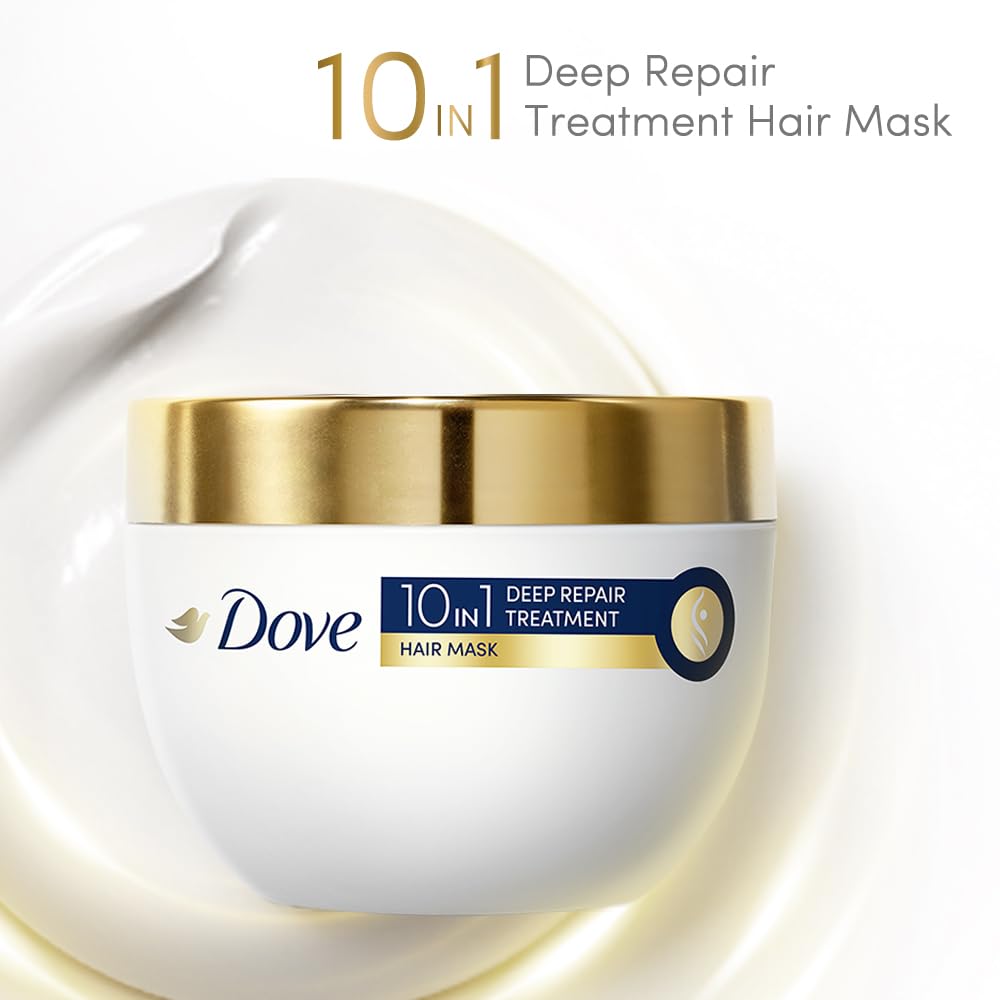
L'Oreal Total Repair Mask

TRESemme Clarifying Shampoo
Affiliate Disclosure: Links above are affiliate links. We earn a small commission if you purchase at no extra cost to you. We only recommend products we genuinely believe in.
Advertisement
Frequently Asked Questions
What is hair cycling?
How do I know if my hair is protein-overloaded or moisture-deficient?
Why is the clarify day important in hair cycling?
What is the most important rule for protein treatment day?
How should I adapt hair cycling for Indian weather?
How long before hair cycling shows results?
Previous
Rice Water for Hair: Does the Ancient Beauty Secret Actually Work?
Next
Zone 2 Cardio: Why Slowing Down Is the Fastest Way to Get Fit

Written by
Manali Patel
Manali Patel is the founder and lead beauty editor at Beauty & Blushed. With over 7 years of experience in the beauty and wellness industry, she is a certified skincare consultant and trained yoga practitioner who specialises in skin health, haircare, and holistic women's wellness. Her work has helped thousands of Indian women build practical, sustainable self-care routines that actually fit their lives.
More about Manali →Advertisement
Related Articles

The Right Way to Wash Your Hair for Less Breakage and Frizz
Most people wash their hair incorrectly-causing unnecessary breakage, frizz, and scalp issues. Here is the rig…

Rice Water for Hair: Does the Ancient Beauty Secret Actually Work?
Rice water has been used in Asian hair care for centuries - and it has gone viral multiple times on social med…

How to Grow Long Hair Faster: Science-Backed Tips That Work
Hair growth cannot be forced overnight, but the right habits push it to its genetic maximum. Here are the evid…
