


Apply vitamin C serum on clean, dry skin in the morning before your moisturiser and sunscreen - it boosts photoprotection and gradually reduces pigmentation and dullness. Start with a 10-15% L-ascorbic acid formula, or choose a stabilised derivative like ascorbyl glucoside if your skin is sensitive. Store it away from heat and direct light to prevent oxidation.
Key Takeaways
- Start with 5-10% ascorbic acid or a stable derivative if you have sensitive skin.
- Discard when it turns orange or brown-oxidised vitamin C does more harm than good.
- Apply in the morning before SPF for maximum antioxidant protection.
- The vitamin C and niacinamide incompatibility myth is outdated-they can be used together.
- Give it 8-12 weeks of consistent use before judging results on dark spots.
Advertisement
Walk into any pharmacy or beauty store in India right now and you will find vitamin C serums on every shelf, in every price bracket, in every possible formulation. The ingredient has gone from a niche antioxidant recommended by dermatologists to a mainstream staple - and unlike many beauty trends, the science genuinely supports the enthusiasm. Vitamin C is one of the most thoroughly researched skincare ingredients available, with decades of clinical evidence backing its ability to brighten skin, fade dark spots, and protect against UV-induced damage.
But vitamin C is also one of the most commonly misused ingredients. It degrades, it oxidises, it irritates at the wrong concentration, and it requires specific layering to work alongside other actives. Using it incorrectly does not just reduce its effectiveness - it can occasionally make things worse. This guide covers everything you need to know to use vitamin C correctly, without irritation, and with the best results for Indian skin.
Why Vitamin C Matters for Indian Skin
Vitamin C (ascorbic acid) is the skin's primary water-soluble antioxidant. In the context of skincare, it performs three critically important functions simultaneously. First, it neutralises free radicals generated by UV radiation and pollution - the reactive molecules that damage collagen fibres and trigger the hyperpigmentation response in skin cells. This antioxidant function is protective, and it works synergistically with your sunscreen to provide a second layer of UV defence.
Second, vitamin C directly inhibits tyrosinase, the enzyme responsible for melanin production. Melanin is the pigment that creates post-inflammatory hyperpigmentation (PIH) - those dark marks left after a pimple heals, after a mosquito bite, after any kind of skin inflammation. For Indian skin tones, which tend to produce excess melanin in response to inflammation, this enzyme-inhibiting action makes vitamin C one of the most targeted and effective brightening ingredients available.
Third, vitamin C is essential for collagen synthesis. Your skin produces collagen constantly, but vitamin C is a required cofactor in this process - without it, the collagen fibre structure cannot form properly. Topical vitamin C ensures that collagen production proceeds optimally, contributing to firmer, more elastic skin over time.
Understanding Stable Forms of Vitamin C
Pure vitamin C - L-ascorbic acid - is highly unstable. It oxidises rapidly when exposed to light, air, and heat, turning from a clear or slightly yellow liquid to an orange-brown colour as it degrades. Oxidised vitamin C not only provides no benefit but can actually deposit additional pigment on skin through a process called auto-oxidation. This is why many people find vitamin C serums do nothing for them: they are applying a product that was already compromised before it reached their face.
The cosmetic chemistry industry has developed more stable vitamin C derivatives that address this problem:
- L-Ascorbic Acid (LAA) - The pure, original form. Most clinically proven, most potent, most unstable. Works at a low pH (around 3-3.5), which is why it can cause tingling. Effective at 10-20% concentrations. Must be stored correctly (dark, cool environment) and used before it oxidises.
- Ascorbyl Glucoside (AA2G) - A gentle, highly stable derivative that converts to ascorbic acid after absorption. Works at a neutral pH, making it excellent for sensitive skin. Requires a slightly longer timeframe to show results than LAA but is far less likely to irritate.
- Sodium Ascorbyl Phosphate (SAP) - Water-soluble, stable at neutral pH, and has demonstrated anti-acne properties in addition to brightening. A good choice for oily, breakout-prone skin.
- Ascorbyl Tetraisopalmitate (VC-IP) - An oil-soluble form that penetrates deeply and is highly stable. Often found in more luxurious formulations. Works at neutral pH with minimal irritation.
- 3-O-Ethyl Ascorbic Acid - A newer, highly stable ether derivative that converts efficiently to ascorbic acid in skin. One of the most effective stable derivatives currently available.
For beginners or those with sensitive skin, starting with ascorbyl glucoside or sodium ascorbyl phosphate is the safest introduction to vitamin C benefits. For those who want maximum brightening potency and are not sensitive, L-ascorbic acid at 10-15% is the gold standard.
What Concentration to Start With
With L-ascorbic acid specifically, concentration matters significantly. Dermatologists typically recommend the following progression:
- 5-10% - Start here. Suitable for sensitive or vitamin-C-naive skin. Clinically active but unlikely to irritate. Many Indian brands offer serums in this range.
- 15% - The sweet spot for most people. Balances efficacy and tolerability. The most studied concentration in clinical trials.
- 20%+ - More is not necessarily better. Concentrations above 20% do not penetrate more effectively and significantly increase irritation risk. The skin simply cannot absorb more than a certain amount.
With stable derivatives like ascorbyl glucoside, the concentration relationship is different because these forms are less potent per percentage point than LAA. A 2-3% ascorbyl glucoside serum is roughly equivalent in effect to a much lower LAA concentration.
Also Read
Advertisement
How to Layer Vitamin C With Other Actives
Vitamin C has a reputation for being difficult to combine, but most of the concerns about combinations are either overstated or based on outdated formulation science. Here is what actually matters:
Vitamin C and Niacinamide
The old warning that vitamin C and niacinamide cannot be combined is largely outdated. The concern originated from research showing that the two could theoretically form a yellow compound called nicotinic acid when mixed together. In practice, this reaction requires conditions (high heat, high concentration) not present in typical skincare use. Modern formulations routinely combine the two. If you prefer caution, use vitamin C in the morning and niacinamide in the evening.
Vitamin C and Retinol
These two do not work well in the same step, but for practical rather than chemical reasons. Both are active ingredients, and layering them together can increase irritation risk. The ideal approach is vitamin C in the morning (where its antioxidant function protects against daytime UV damage) and retinol at night. This is the standard dermatologist-recommended protocol. For more on retinol use, see our retinol guide for beginners.
Vitamin C and AHAs/BHAs
Chemical exfoliants can temporarily alter skin's pH in ways that affect vitamin C absorption. If you use an acid toner or serum, allow at least 15-20 minutes between the acid and your vitamin C application, or use them on separate days within a skin cycling routine.
Vitamin C and SPF
This combination is ideal and actively encouraged. Applying vitamin C under your sunscreen amplifies UV protection through the antioxidant mechanism. Vitamin C neutralises free radicals that UV radiation generates, working alongside the physical/chemical UV filters in your sunscreen to provide a more complete defence.
Morning vs Night: When to Apply Vitamin C
Vitamin C belongs in the morning routine. This is not merely a convention - it has a logical basis. The antioxidant function of vitamin C is most valuable during the day, when your skin is exposed to UV radiation and environmental pollution. Applying it in the morning and then immediately following with SPF creates a powerful photoprotective system.
At night, your skin is in repair mode. This is when retinol, exfoliating acids, and barrier-supporting ingredients do their best work. Vitamin C does not specifically interact with these nocturnal repair processes, and its antioxidant function is less relevant when you are not exposed to UV. Some people do apply vitamin C at night in addition to the morning, and this is fine - but if you are choosing one time, make it morning.
Recognising and Avoiding Oxidised Vitamin C
Oxidised vitamin C is identifiable by colour change. Fresh vitamin C serum should be clear or very slightly yellow. As it oxidises, it progresses from pale yellow to deep yellow to orange to brown. A product that has turned orange should be discarded - it no longer provides brightening benefit and may worsen pigmentation.
To extend the lifespan of your vitamin C serum:
- Store it in a dark, cool location - not the bathroom shelf where temperature fluctuates with every shower
- Keep the cap tightly closed after each use
- Choose products in opaque or airless pump packaging rather than open-mouth glass bottles
- Buy smaller quantities that you will use within two to three months rather than large bottles
- Prefer stable derivatives (ascorbyl glucoside, 3-O-ethyl ascorbic acid) if you live in a very hot climate like coastal India
Best Indian Vitamin C Brands Worth Trying
Several well-formulated vitamin C options are available in India across price points. Minimalist 10% Vitamin C (ascorbyl glucoside) is an excellent entry-level choice, stable and gentle. Dot & Key Glow Revealing Vitamin C Serum works well for dry skin types. The Derma Co 10% Vitamin C Face Serum uses a stable derivative suited to Indian skin concerns. At the premium end, Re'equil Vitamin C 20% Serum and Dr. Sheth's Basic Brightening Vitamin C Serum use LAA and are formulated for efficacy. The Ordinary Vitamin C Suspension 23% is potent but can be gritty in texture - not for everyone.
Whichever product you choose, apply it consistently in the morning, follow with moisturiser and SPF, and give it 8-12 weeks before assessing results. Vitamin C brightening is a cumulative process - the skin transformation is gradual and genuine.
Key Takeaway
Vitamin C is one of the few skincare ingredients whose benefits - brightening, antioxidant protection, collagen support - are comprehensively proven. The key to unlocking those benefits is choosing a stable form, starting at an appropriate concentration, applying it consistently in the morning under SPF, and storing it correctly to prevent oxidation. Get those four things right, and vitamin C will become one of the most valuable tools in your skincare routine.
Top Picks For You
Handpicked & Editor Approved
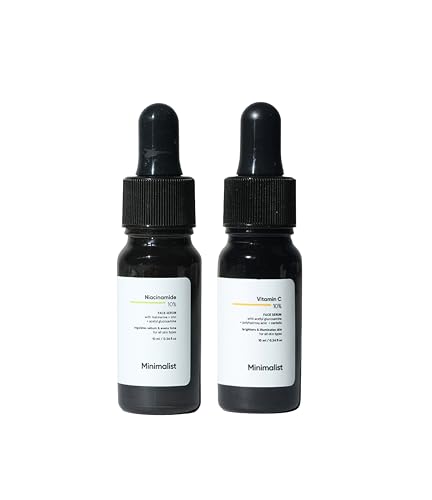
Minimalist Vitamin C 10% Serum

Mamaearth Vitamin C Face Serum

Dot & Key Vitamin C Serum
Affiliate Disclosure: Links above are affiliate links. We earn a small commission if you purchase at no extra cost to you. We only recommend products we genuinely believe in.
Advertisement
Frequently Asked Questions
Which form of vitamin C is best for sensitive skin?
How do I tell if my vitamin C serum has oxidised?
What concentration of vitamin C should I start with?
When should I apply vitamin C, morning or night?
How should I store my vitamin C serum?
Which vitamin C brands are worth trying in India?
Previous
How to Choose the Right Blush for Your Skin Undertone
Next
AHA vs BHA: Which Exfoliant Does Your Skin Actually Need?

Written by
Manali Patel
Manali Patel is the founder and lead beauty editor at Beauty & Blushed. With over 7 years of experience in the beauty and wellness industry, she is a certified skincare consultant and trained yoga practitioner who specialises in skin health, haircare, and holistic women's wellness. Her work has helped thousands of Indian women build practical, sustainable self-care routines that actually fit their lives.
More about Manali →Advertisement
Related Articles

Niacinamide: The One Serum Every Skincare Routine Actually Needs
Niacinamide works on pores, dark spots, oiliness, and the skin barrier simultaneously. Here is what the resear…

Do You Actually Need an Eye Cream? The Honest Truth
Eye creams are one of the most debated skincare products. Here is the honest science on what they can and cann…

Hyaluronic Acid: The Complete Guide to Getting Maximum Hydration
Hyaluronic acid hydrates every skin type without clogging pores or causing irritation. But most people apply i…
