


Skincare effectiveness depends mainly on the active ingredient and its concentration, not the brand name or price, which means budget alternatives genuinely work for well-studied actives like niacinamide, vitamin C, salicylic acid and basic hyaluronic acid. Price sometimes matters more for advanced delivery systems, patented ingredient forms, sunscreen texture preferences, and fragrance-free formulations for sensitive skin, so dupes are not a blanket rule across every category.
Key Takeaways
- Efficacy depends on the active ingredient and its concentration, not the brand name or the price tag
- Budget swaps work well for basic actives like niacinamide, vitamin C, salicylic acid and hyaluronic acid
- Price can matter more for advanced delivery systems, patented forms and sunscreen texture preferences
- A dupe is not always an identical percentage or stabilisation of the active, so results can genuinely vary
Advertisement
What actually makes a skincare product work is the active ingredient inside it and the concentration at which it is formulated, not the brand name printed on the box or the number of zeroes on the price tag. That single fact is the entire reason budget skincare dupes exist, and it is also the reason some of them work brilliantly while others quietly disappoint you three weeks in.
If you have ever stood in a Nykaa aisle or scrolled through Amazon at midnight, comparing a Rs 3,500 imported serum to a Rs 350 Indian bottle that claims to contain the same "hero ingredient," you already know the confusion. Influencers throw around the word "dupe" so casually that it has started to feel like every expensive product has a secret twin hiding on a pharmacy shelf for a tenth of the price. That is not quite true, but it is not entirely false either.
This is the honest, ingredient-first version of that conversation. We will go category by category, look at what Indian brands like Minimalist, Dot and Key, The Derma Co, Plum, Simple, Cetaphil and Pond's are actually doing right, and be equally clear about where a bigger budget still buys you something real. No blanket claims, no "this is exactly the same," just a practical map of where your rupees matter and where they genuinely do not.
Cleansers: This Is Where Price Matters the Least
Of every category in your skincare shelf, cleansers are the place where paying more buys you the least. A cleanser sits on your face for maybe sixty seconds before you rinse it off. It does not have time to deliver deep, sustained active-ingredient benefits the way a leave-on serum does. Its job is simple: remove sunscreen, sebum and grime without stripping your skin barrier, and it either does that job or it does not.
The Budget Winners
Cetaphil Gentle Skin Cleanser has been around for decades and costs roughly Rs 550-650 for a 250ml bottle that lasts months. Simple's Micellar range and face washes sit in a similar Rs 200-350 bracket. Pond's and Neutrogena's Indian face washes are even cheaper, often under Rs 250, and for straightforward oil and dirt removal they do exactly what they promise. Plum's gentle cleansers, priced around Rs 300-400, are also solid, fragrance-light options for sensitive skin.
Where a Fancier Cleanser Might Still Win
The one place where an expensive cleanser can justify itself is if it contains a genuinely active exfoliating ingredient like salicylic acid at a meaningful percentage, or if you have extremely reactive skin that reacts to even trace fragrance or preservative differences between formulas. Otherwise, save the money here and redirect it toward your serums, where formulation actually earns its price.
Vitamin C: A Category Where Formulation Genuinely Separates the Good From the Mediocre
Vitamin C is the category where the "just buy the cheap one" advice needs the most nuance, and it is worth reading properly if you are investing in a vitamin C serum for the first time. L-ascorbic acid, the most researched and most effective form of vitamin C, is notoriously unstable. It oxidises when exposed to air, light and heat, turning from clear or pale yellow to a rusty orange that not only stops working but can actually irritate skin.
Why the Packaging Matters as Much as the Percentage
This is where price sometimes buys you something real: opaque, airless-pump packaging, nitrogen-flushed bottles, and stabilised derivative forms like sodium ascorbyl phosphate or ethylated ascorbic acid that resist oxidation better than plain L-ascorbic acid. Some pricier international brands have spent years engineering delivery systems around exactly this problem.
The Indian Budget Options That Hold Up
That said, Minimalist's 10 percent and 16 percent Vitamin C serums, priced around Rs 500-700, use well-formulated, reasonably stable versions and are genuinely comparable in performance to serums costing three or four times as much. Dot and Key's Vitamin C range, in the Rs 600-800 bracket, has also earned a loyal following for consistent results without the sting some L-ascorbic acid formulas cause. The catch is that a cheap vitamin C serum in a clear glass bottle, left on a sunlit shelf, will degrade faster regardless of brand. Check the colour before every use, and if it has turned deep orange or brown, it has likely oxidised and lost potency.
Also Read
Advertisement
Niacinamide: The Category Where Dupes Work Almost Perfectly
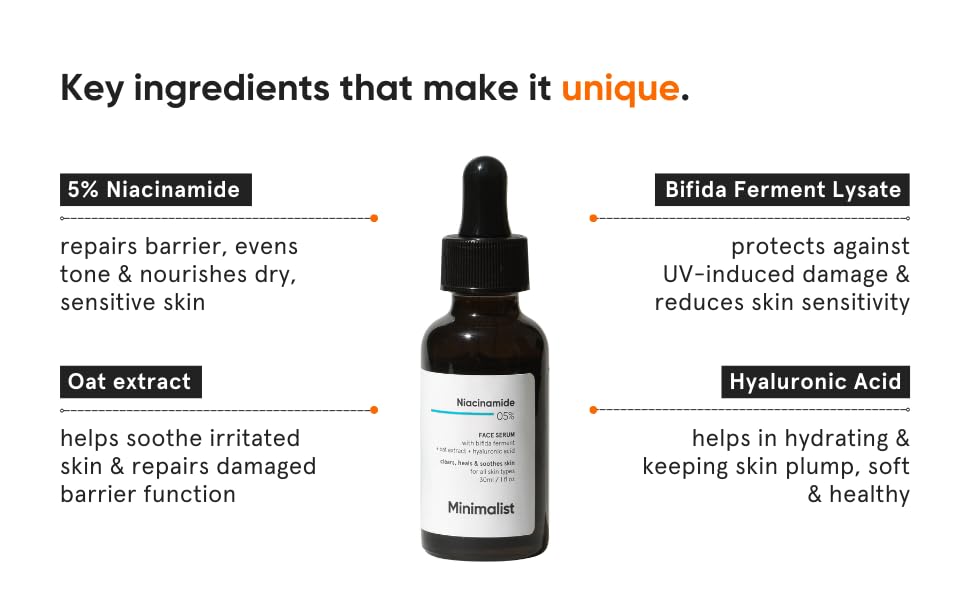
Niacinamide might be the best argument for budget skincare dupes in the entire market. It is a remarkably stable, well-tolerated molecule that does not require exotic delivery technology to work. If you want the deeper science on why it has become such a staple, our complete guide to niacinamide breaks down exactly how it helps with oil control, redness and mild pigmentation.
Why Concentration Is the Only Thing That Really Matters Here
Most brands, expensive or affordable, use niacinamide at 5 to 10 percent, which is the range backed by the strongest research. Once you are within that range, a 5 percent niacinamide serum from one brand behaves almost identically to a 5 percent niacinamide serum from another, because the molecule itself is doing the work, not some proprietary brand magic.
The Real-World Price Comparison
Minimalist's 10 percent Niacinamide serum retails around Rs 450-550. The Derma Co's Niacinamide serums sit in a similar Rs 400-600 range and are formulated with dermatologist input that keeps the pH and supporting ingredients sensible. Compare that to imported niacinamide serums that can cost Rs 2,500-3,500 for what is functionally the same active at a similar percentage, and the budget option is very hard to argue against. This is genuinely one of the clearest, most defensible dupe categories that exists in skincare.
Retinol: Where Formulation Skill Starts to Show Up Again
Retinol sits somewhere between niacinamide's simplicity and vitamin C's instability. It works, it is well studied, but how it is encapsulated and buffered affects both how well it performs and how much it irritates your skin, especially if you are new to it. Anyone starting out should read a proper primer like our beginner's guide to retinol before picking a product purely on price.
Budget Options That Are Genuinely Good
Minimalist's Retinol range, starting around 0.3 percent and going up to 1 percent, priced roughly Rs 550-750, is thoughtfully staggered so beginners can build tolerance gradually. Plum and Dot and Key also make competent, gentler retinol serums in the Rs 500-700 range that are perfectly reasonable starting points.
Where Encapsulation Technology Can Justify a Higher Price
Encapsulated or time-released retinol formulas, which slow-release the active to reduce irritation while maintaining efficacy, are a genuine technological difference that some pricier brands have invested heavily in. If you have very sensitive or reactive skin and have struggled with redness and peeling on cheaper retinol formulas, a well-engineered encapsulated version might be worth the extra spend. For most people with normal to moderately sensitive skin, though, starting low and slow with a budget retinol and increasing frequency gradually works just as well.
Sunscreen: The One Place Where "Same Ingredient" Does Not Mean "Same Experience"
Sunscreen is the category where I will push back hardest on the blanket "just buy the cheap one" advice, and our detailed sunscreen guide goes into why this matters so much for Indian skin tones specifically. The active filters that block UV rays, whether chemical filters like avobenzone and octocrylene or mineral filters like zinc oxide, are regulated and effective across price points when formulated correctly.
Where the Money Actually Goes
What genuinely differs by price is texture, finish and how a sunscreen behaves under makeup or in Indian humidity. Expensive sunscreens often invest in micronised mineral particles that do not leave a white cast, silicone-based bases that feel weightless, and finishes that do not pill under foundation. Budget sunscreens have improved enormously in the last few years, but some still feel heavier, greasier or leave a visible cast, particularly the mineral ones.
Solid Budget Performers Worth Trying
Dot and Key's sunscreens, priced around Rs 400-600, have genuinely closed much of that gap with lightweight, no-cast formulas. Minimalist's sunscreen range in a similar bracket is also well regarded. The honest truth is that the "best" sunscreen is the one you will actually reapply every three to four hours, so if a slightly pricier formula feels so pleasant that you never skip reapplication, that cosmetic difference has real protective value, not just vanity value.
Moisturisers: Simple Formulas, Simple Savings
Moisturisers, much like cleansers, rely on fairly basic, well-understood ingredients: humectants like glycerin and hyaluronic acid, occlusives like petrolatum or dimethicone, and emollients that soften skin. None of these require rare technology to formulate well.
Where the Budget Options Shine
Cetaphil Moisturising Cream, around Rs 700-900 for a large jar that lasts months, is a dermatologist favourite precisely because it is simple, fragrance-conscious and effective. Simple's moisturisers, in the Rs 300-450 range, and Pond's classics in the Rs 150-300 range, cover basic hydration needs for most skin types without fuss. Plum's lightweight gel moisturisers, around Rs 400-500, work well for oily and combination skin common in India's climate.
Where Fragrance-Free Formulation Costs More
The one genuine exception is for people with very sensitive, eczema-prone or rosacea-prone skin, where truly fragrance-free, minimal-ingredient formulations matter enormously, and some of the more clinically positioned brands invest more carefully in avoiding trace allergens and unnecessary additives. If your skin reacts easily, reading full ingredient lists matters more than reading price tags.
| Category | Expensive Option (Price Range) | Budget Alternative (Price Range) | Verdict |
|---|---|---|---|
| Cleanser | Rs 1,500-2,500 | Rs 200-650 | Budget wins, minimal contact time means brand barely matters |
| Vitamin C Serum | Rs 2,500-4,500 | Rs 500-800 | Good budget dupes exist, but check stability and packaging |
| Niacinamide Serum | Rs 2,000-3,500 | Rs 400-600 | Budget wins clearly, concentration is what matters most |
| Retinol Serum | Rs 2,500-5,000 | Rs 500-750 | Budget works well for most; pricier encapsulated forms help sensitive skin |
| Sunscreen | Rs 1,200-2,000 | Rs 350-600 | Mixed; actives are similar, but texture and no-cast finish often justify cost |
| Moisturiser | Rs 1,800-3,000 | Rs 150-900 | Budget wins for normal skin; fragrance-free formulation matters for sensitive skin |
When Not to Skimp
There are a handful of situations where spending more is not just vanity, it is genuinely sensible. If you have diagnosed conditions like rosacea, eczema, perioral dermatitis or severe acne that a dermatologist is actively treating, stick to what they have prescribed or specifically recommended rather than substituting a cheaper look-alike, since even small formulation differences in pH, preservative systems or supporting ingredients can trigger flare-ups.
Prescription-strength actives, like tretinoin or higher-percentage prescription azelaic acid, are not something to dupe at all; these need medical supervision regardless of price. Similarly, if you have a known allergy or sensitivity to a specific preservative or fragrance compound, always check full ingredient lists rather than assuming two products with the same "hero ingredient" on the front label are safe twins.
Sunscreen for daily outdoor use, especially if you drive, commute or spend real time outside in Indian sun, is worth spending a little more on if it means you will actually reapply it without dreading the texture. And if you have very sensitive skin overall, patch testing any new product, expensive or budget, on your inner arm for a few days before applying it to your face is simply non-negotiable.
The Bottom Line
Budget skincare dupes are real, and for a lot of categories, they work just as well as their expensive counterparts because the active ingredient, not the brand name, is doing the heavy lifting. Niacinamide and basic cleansers and moisturisers are where you can confidently trust an affordable Indian brand and redirect the savings elsewhere. Vitamin C, retinol and sunscreen deserve a bit more attention to formulation details, packaging and your own skin's sensitivity before you assume the cheaper bottle is a perfect match.
The smartest approach is not to blindly chase either the most expensive serum on the shelf or the cheapest one you can find, but to actually read the ingredient list, check the concentration, and match the product to what your skin genuinely needs. Once you build that habit, you will find that a well-chosen simple, minimalist routine built mostly on budget actives can outperform an expensive, poorly matched one every single time. Your skin does not know what your serum cost. It only knows what is actually in the bottle.
Top Picks For You
Handpicked & Editor Approved

Affiliate Disclosure: Links above are affiliate links. We earn a small commission if you purchase at no extra cost to you. We only recommend products we genuinely believe in.
Advertisement
Frequently Asked Questions
Do cheaper skincare products really work as well as expensive ones?
Where should I not skimp on skincare price?
Are budget vitamin C serums as effective as expensive ones?
What does 'dupe' actually mean in skincare?
Which budget Indian skincare brands are actually worth trying?
Previous
Postpartum Belly: What Actually Happens to Your Body and a Realistic Timeline for Recovery
Next
Vata, Pitta or Kapha: How to Actually Find Your Ayurvedic Dosha and What to Do With It

Written by
Manali Patel
Manali Patel is the founder and lead beauty editor at Beauty & Blushed. With over 7 years of experience in the beauty and wellness industry, she is a certified skincare consultant and trained yoga practitioner who specialises in skin health, haircare, and holistic women's wellness. Her work has helped thousands of Indian women build practical, sustainable self-care routines that actually fit their lives.
More about Manali →Advertisement
Related Articles

AI vs Dermatologist: How Accurate Is AI Skincare Advice Really?
AI skin apps are genuinely good at tracking visible progress, but they cannot take a patient history or feel y…

DIY Skincare With Kitchen Ingredients: Aloe Vera, Scrubs and What Actually Works
Fresh aloe genuinely soothes, but a store-bought gel often has little actual aloe in it. Here is what aloe ver…

Ayurvedic Remedies for Acne: What Actually Helps
Neem, turmeric, and multani mitti are genuine supportive remedies for mild acne. Here is an honest, dosha-awar…
